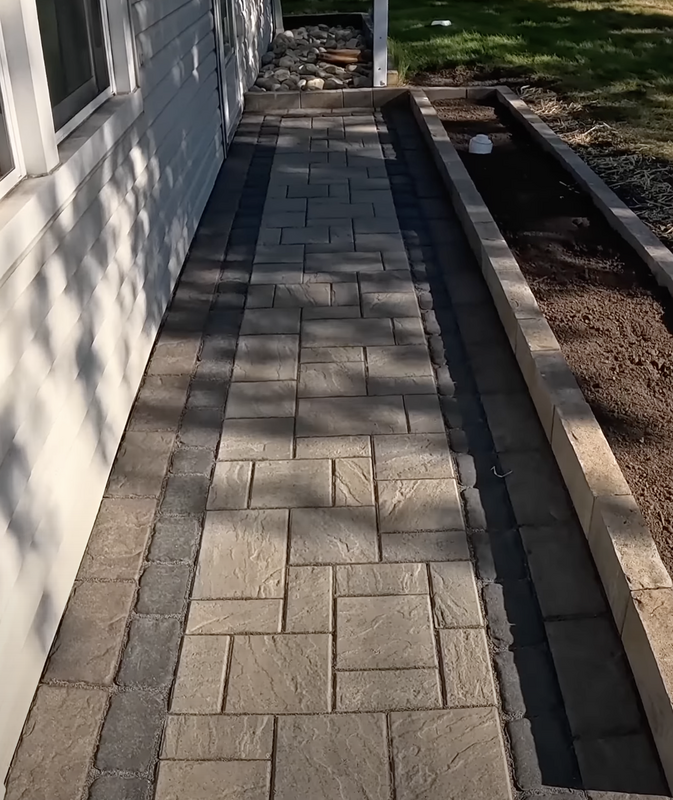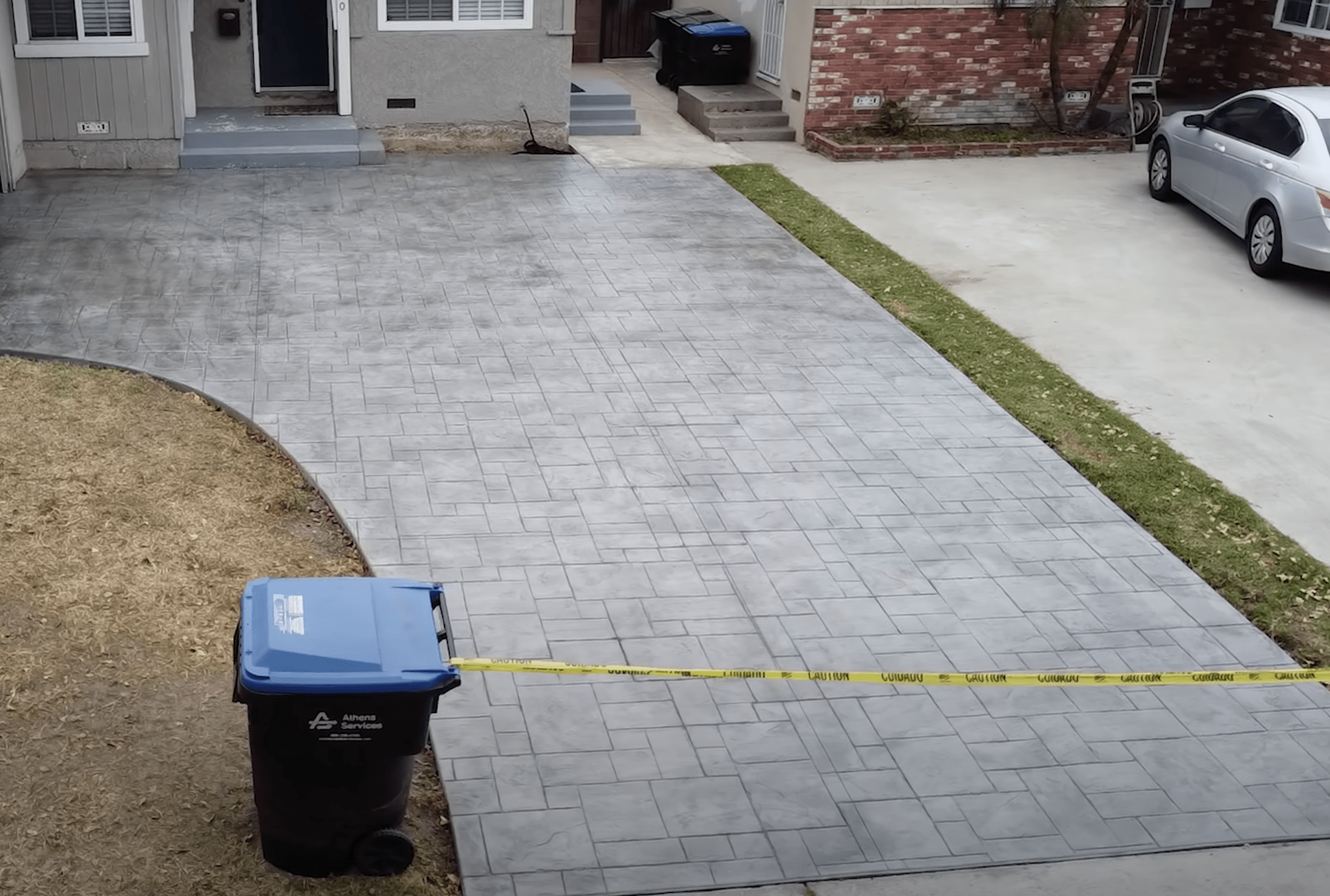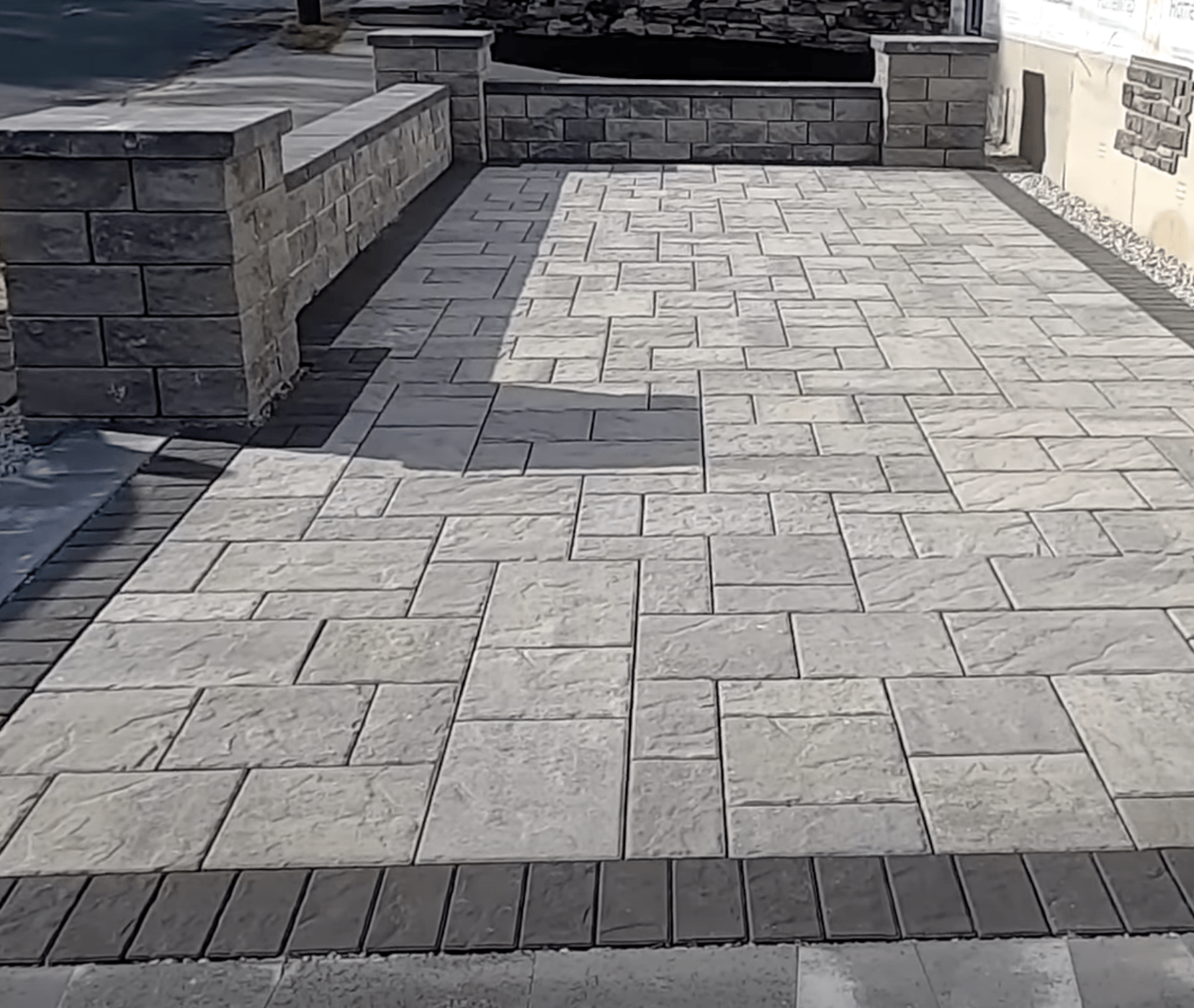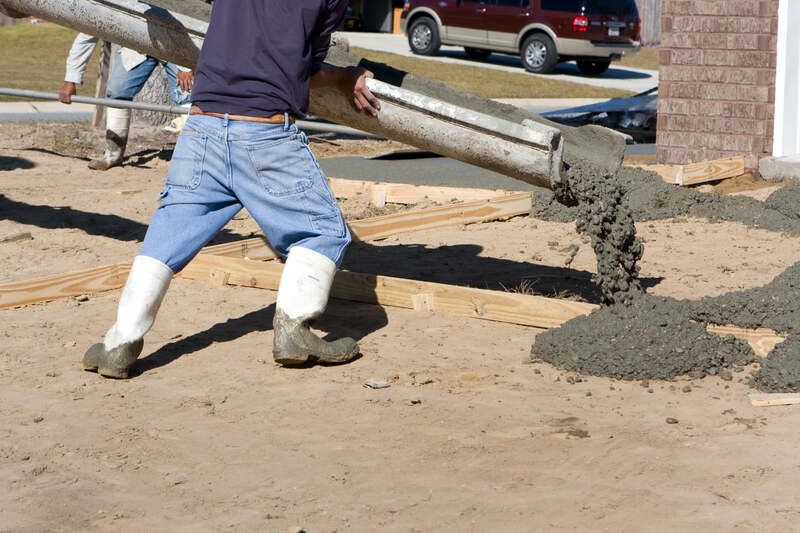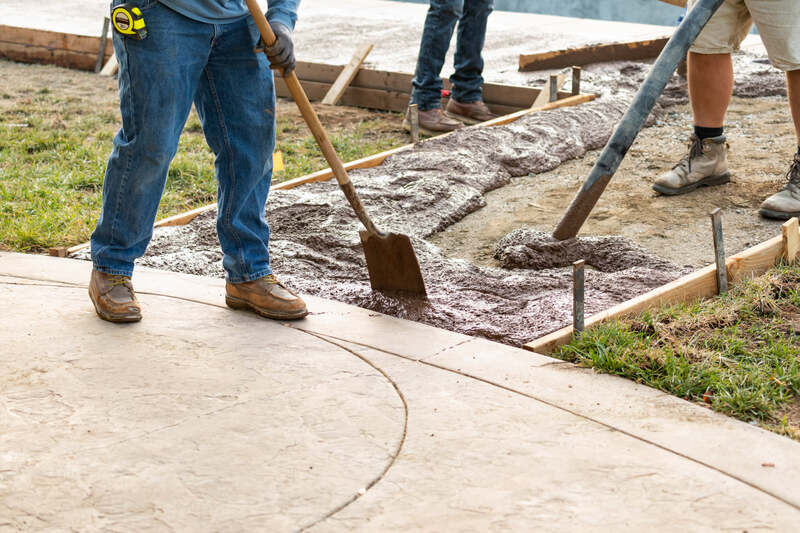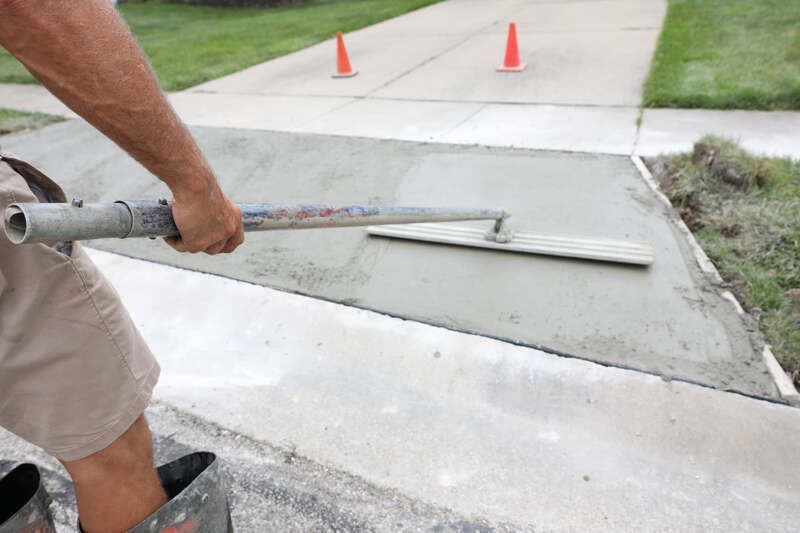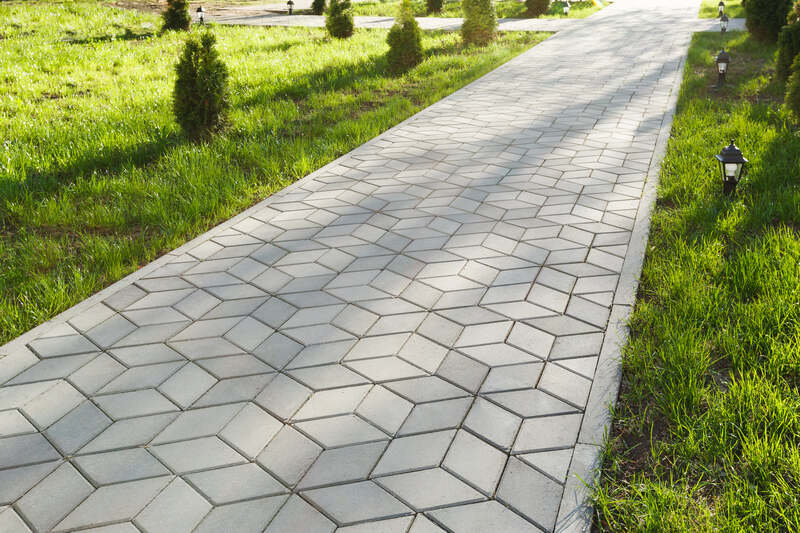
Nobody thinks about their trash pad until the garbage truck cracks it in half. Then it becomes an emergency. AJ Concrete Contractor pours reinforced concrete trash pads for commercial properties across Clearwater – restaurants, retail centers, office buildings, HOA communities. We’ve built enough of them in Pinellas County to know exactly how thick, how reinforced, and how sloped they need to be to survive what gets thrown at them.
Think about what happens on a trash pad every week.
A steel dumpster weighing 500 pounds empty gets filled with 2,000 to 4,000 pounds of waste. A garbage truck pulls up – gross vehicle weight somewhere around 60,000 pounds – extends a hydraulic arm, grabs the container, lifts it overhead, dumps it, and drops it back down. Metal on concrete. Thousands of pounds of impact force concentrated on two tiny footprint areas where the dumpster wheels sit.
Now repeat that twice a week for ten years.
A standard 4-inch patio slab wouldn’t survive six months of that. Trash pads need to be engineered for the specific loads they’re going to take. Thicker concrete, heavier reinforcement, compacted base material that won’t compress under repeated impact loading. Most property owners don’t realize their trash pad takes more abuse per square foot than their parking lot. But it does.
Six inches minimum. That’s where we start on thickness. Most of our Clearwater trash pad pours go in at 6 to 8 inches with #4 rebar on 12-inch centers both ways. If the property uses a front-load dumpster where the truck drives directly onto the pad to pick up, we go thicker under the truck wheel path because that’s 30 tons rolling across your concrete.
Base prep is aggressive. Excavate 12 to 14 inches below finished grade. Remove any organic material. Bring in crushed limestone base – 6 inches compacted in two lifts. The base has to resist settling under repeated dynamic loads, not just static weight. A dumpster sitting still is one thing. A dumpster getting slammed down from four feet up is a completely different engineering problem.
Forms go in with a slope built into the design. Trash pads drain. They have to. Between rain, dumpster juice, and whatever leaks out of the bags, that surface is going to get wet constantly. We pitch the slab toward a designated drain point or toward the front edge so liquids run off instead of pooling under the container. In Clearwater, where afternoon storms dump water on everything from June to October, drainage on a trash pad isn’t a nice-to-have. It’s mandatory.
Standard residential dumpster is 6 feet wide by 5 feet deep. The pad needs to be bigger. We pour a minimum of 10 by 10 feet for a single dumpster – gives clearance on all sides for the truck’s forks or arms and room for the lid to open fully without hanging over the edge.
Two dumpsters side by side? 16 by 10. Three containers in a row for larger commercial properties? 22 by 10 or wider. Recycling bins next to the trash container add another 4 to 6 feet of width per bin.
Approach apron matters too. The garbage truck needs a flat, hard surface to drive on while positioning for pickup. If the pad sits on a gravel or dirt area, the truck tears up the ground every visit and eventually ruts the approach so badly that the driver can’t line up properly. We extend the pad or pour a separate approach slab so the truck always has solid ground to work from.
Bollard posts around the perimeter protect the enclosure walls and anything adjacent. We set bollard sleeves during the pour – 6-inch steel pipe embedded 24 to 36 inches deep in the concrete, filled with concrete after the pipe is set. Strong enough to stop a truck that misjudges its turn.
A trash pad without drainage is a swamp. Rainwater mixes with leaking bags, food waste, grease drippings, and whatever else is in those containers. It sits there. It stinks. It attracts raccoons, rats, and palmetto bugs. In Clearwater’s heat, it goes from unpleasant to genuinely foul in about 48 hours.
We slope every trash pad at a minimum of 2% toward a drain point. Where it drains to depends on local regulations. Some Clearwater commercial properties can drain trash pad runoff into the stormwater system with a grease trap or filter inlet. Others require a connection to the sanitary sewer. And some properties handle it with a simple slope toward a landscaped area where the runoff can percolate into the ground.
For restaurant and food service properties, grease containment is a factor. Clearwater’s environmental codes address grease discharge, and a trash pad that channels grease-laden water directly into a storm drain is a violation. We coordinate with your plumber on drain connections and make sure the pad’s drainage plan meets whatever the city requires for your property type.
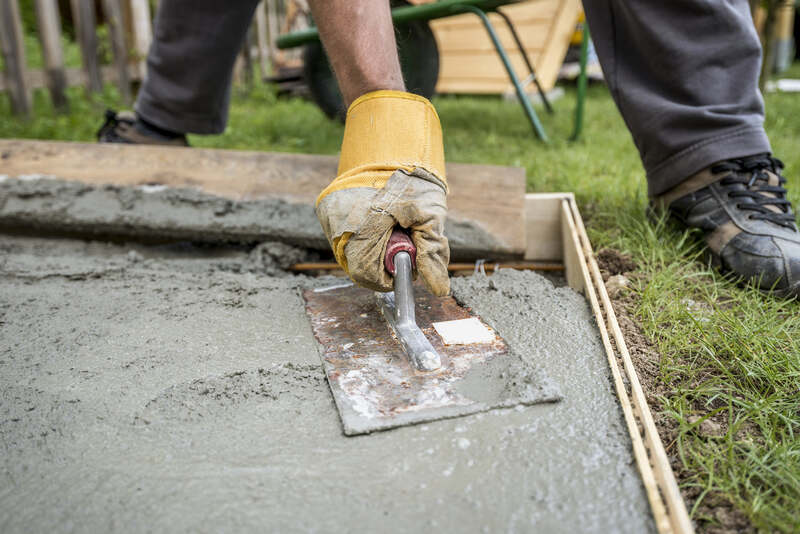
Most Clearwater commercial properties are required to screen their dumpsters from public view. City code specifies enclosure requirements – usually a masonry or concrete block wall on three sides with a gate on the front. Height depends on the dumpster size but 6 feet is typical.
We pour the pad and the enclosure foundation as one integrated structure. The wall footings tie into the slab so everything moves together instead of the wall separating from the pad over time and creating a gap where water and debris collect.
Block walls go up on top of the footing after the concrete has cured. We work with masons on the wall construction or handle it in-house depending on the scope. Gates are usually steel frame with wood or composite infill panels. The hinge posts get anchored into the concrete with heavy-duty embed plates set during the pour.
Some properties go with precast concrete walls instead of block. Faster installation, consistent appearance, but heavier and more expensive. Either way, the pad underneath has to account for the wall weight along the perimeter. We thicken the slab edge under the wall line to create an integrated footing rather than pouring a separate footer.
Failed trash pads are ugly jobs. The concrete is cracked, stained, uneven. There’s usually standing water or a layer of grime that’s been building up for years. The enclosure walls might be leaning because the pad underneath shifted and took the footings with it.
Demo on a trash pad means removing the dumpster first. Coordinate with your waste hauler to temporarily relocate the container during the work. We sawcut, break, load, and haul the old slab – same process as any demo job but with the added joy of whatever’s been soaking into that concrete for the past decade.
After the old pad is out, we evaluate the base. Almost always, the original base has washed out or compressed unevenly. Excavate, bring in fresh aggregate, compact properly. Then pour the new pad at the right thickness with reinforcement that matches the actual loads instead of whatever the original contractor guessed at.
Turnaround on a standard single-dumpster trash pad replacement is two to three days – one day demo, one day base prep and pour, and sometimes a third day for enclosure repair if the walls need work. Dumpster goes back on after seven days of cure time. We coordinate the timing with your waste hauler so you’re never without pickup service for more than a few days.
Concrete itself doesn’t need much. But a trash pad surface gets exposed to things most concrete never deals with. Grease, food acid, cleaning chemicals, biological waste. That stuff attacks the surface over time.
Sealing helps. A penetrating concrete sealer blocks moisture and contaminants from soaking into the pores. Reapply every two to three years. It won’t make the pad spotless – nothing will when you’ve got dumpsters sitting on it – but it slows down the surface deterioration significantly.
Pressure wash the pad every month or two. More often for restaurant properties where grease buildup is constant. Use a degreaser on oil and grease stains before they bond permanently with the concrete. Once grease penetrates past the surface, it’s there for good.
Check the drain annually. Debris, leaves, grease buildup – all of it can clog a drain inlet or slow down a swale. A blocked drain turns your trash pad into a retention pond during the next heavy rain. Five minutes of clearing the drain saves a major cleanup later.
Not glamorous work. We know. Nobody puts their new trash pad on Instagram. But a properly built trash pad protects your property, satisfies code requirements, keeps your waste area functional, and eliminates the complaints from tenants and neighboring businesses about smell, standing water, and vermin.
AJ Concrete Contractor has poured trash pads for shopping centers on US-19, restaurant properties along Clearwater Beach, office complexes near Countryside, and HOA maintenance areas across Pinellas County. Every one is built for the specific loads, drainage conditions, and enclosure requirements that property demands. No template pours. No guessing on thickness.
We also serve Largo, Dunedin, Palm Harbor, Safety Harbor, St. Petersburg, and Tampa for commercial concrete work. Call (727) 758-3748 if your trash pad is cracked, sinking, pooling water, or just not up to code anymore. We’ll come look at it and give you a number.
6 to 8 inches thick with rebar grid. Built for dumpster impact and garbage truck weight, not foot traffic.
Sloped to drain. Connected to the right system. No standing water, no code violations, no smell.
Pad and wall footings poured as one structure. Gates, bollards, and screening built into the design from the start.
Most trash pad pours are done in two to three days. Minimal disruption to your waste service schedule.
Cracked pad, pooling water, leaning enclosure walls – we fix all of it. AJ Concrete Contractor builds commercial trash pads across Clearwater engineered for real dumpster loads and real Florida weather. Call for a site visit.