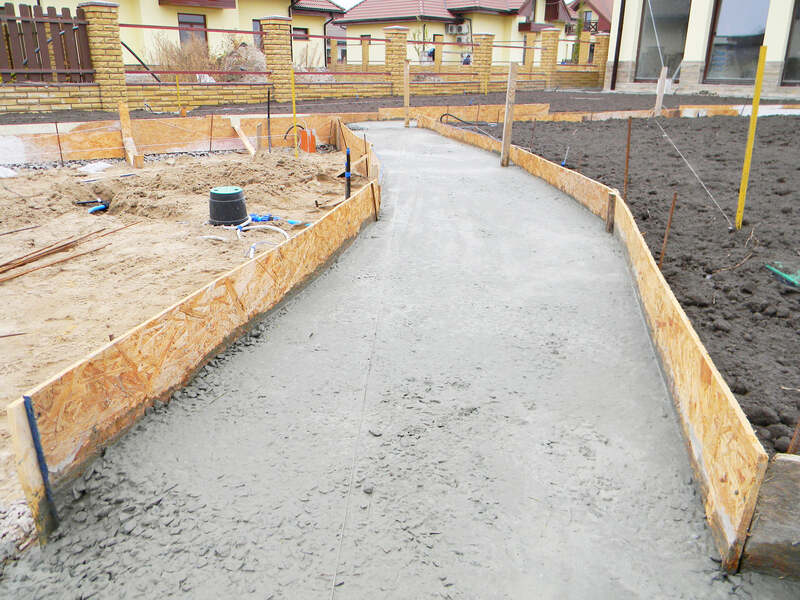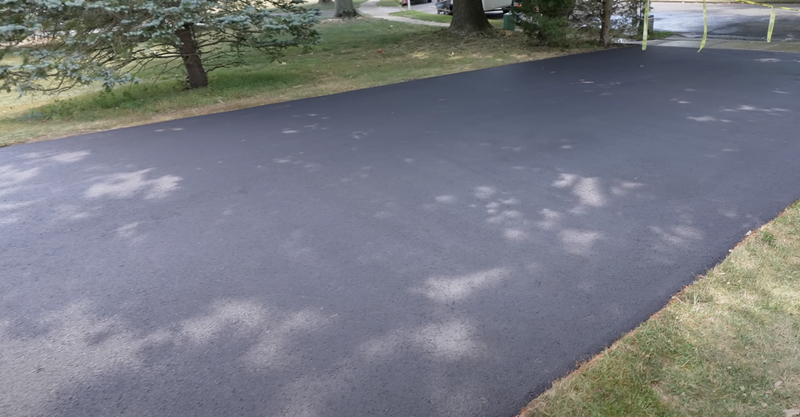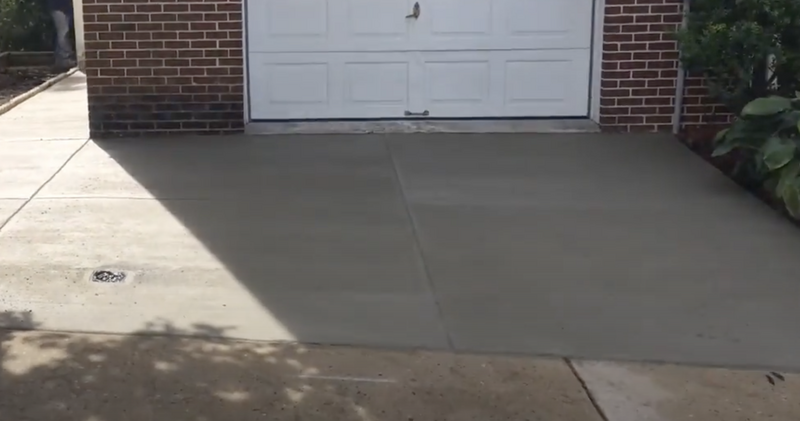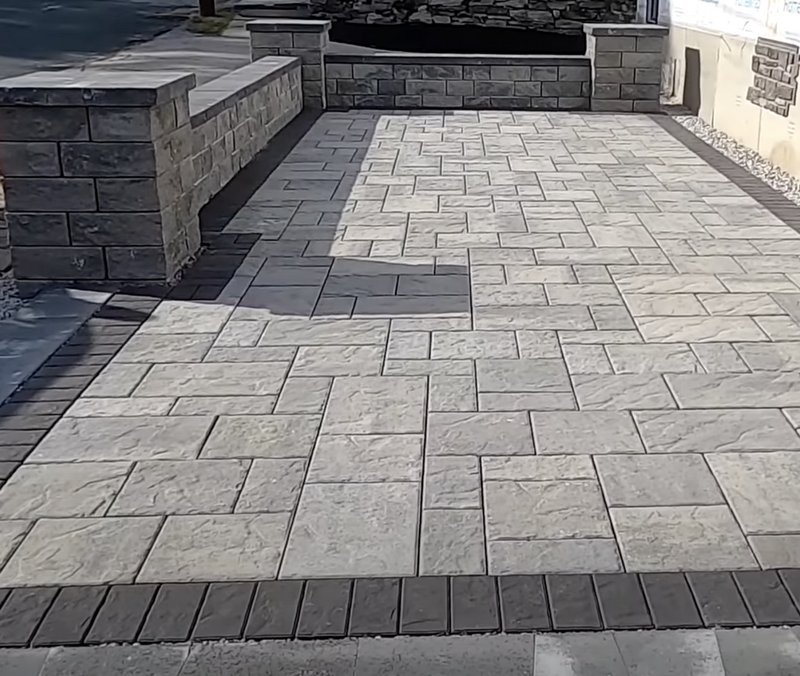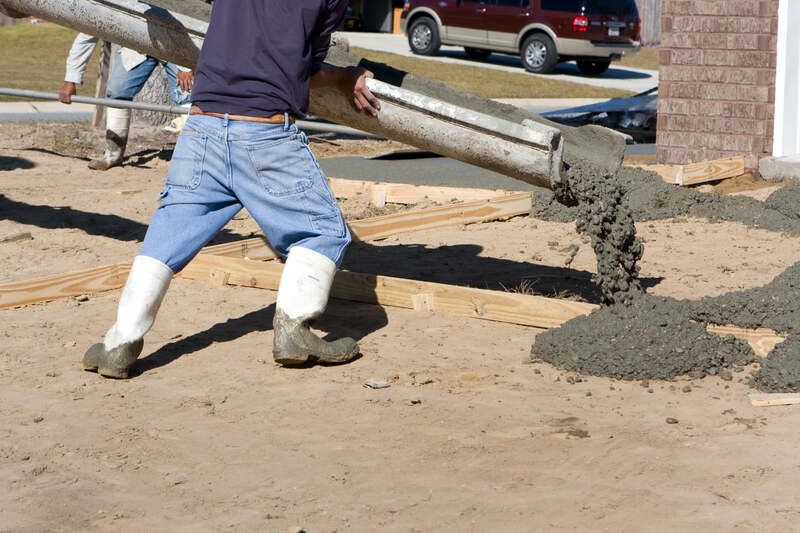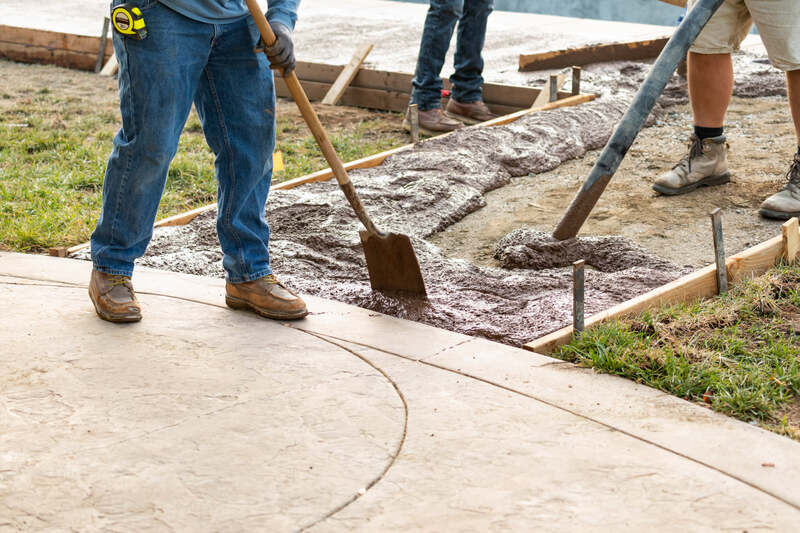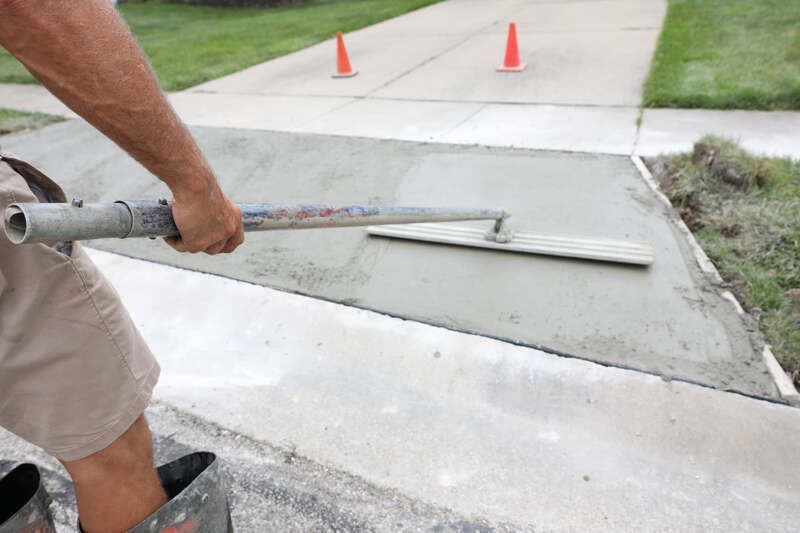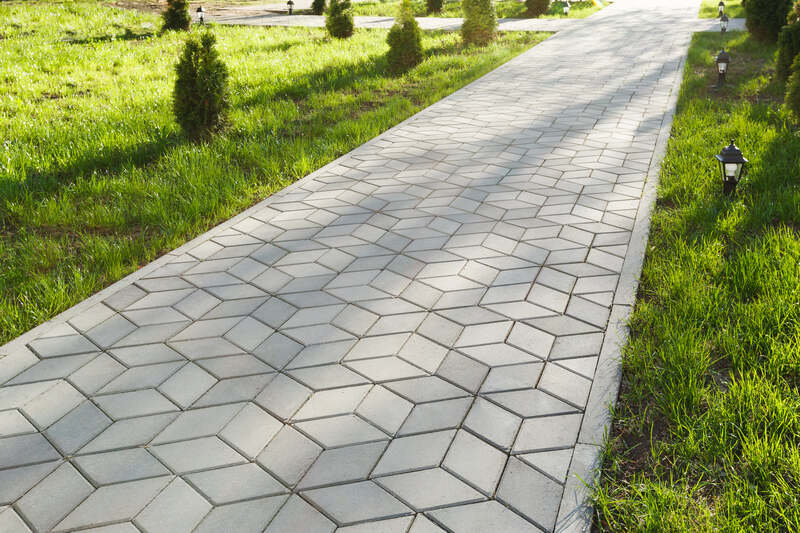
Not everything needs a fancy finish. Sometimes you just need a flat, strong surface that holds weight and doesn’t move. That’s a concrete slab. AJ Concrete Contractor has poured hundreds of them across Clearwater – shed pads, garage floors, generator bases, workshop foundations, AC pads, you name it. Licensed, insured, and built on years of real field experience in Pinellas County soil conditions.
People use the word “slab” loosely. To us, a slab is any flat concrete pour that serves as a base for something else. Could be a storage building going on top. Could be an outdoor kitchen. Could just be a pad where you park your boat trailer so it’s not sinking into the yard every rainy season.
The common thread is function. Nobody’s stamping a slab or staining it pretty colors. You want it flat, you want it strong, you want it level, and you want it to stay that way for 20 years without cracking or sinking into the ground. Clearwater’s sandy, moisture-heavy soil makes that harder than it sounds. Plenty of slabs around here have failed because somebody skimped on base prep or went too thin for the load. We don’t do either of those things.
Every slab job starts underground. Literally. The dirt below your slab determines everything about how long it lasts.
First thing we do is excavate to the right depth and get rid of any organic material – topsoil, roots, old mulch. That stuff decomposes over time and leaves voids underneath the concrete. Big problem. After excavation, we bring in clean fill – usually crushed limestone – and compact it in lifts. Not one big dump and a few passes with a tamper. Multiple layers, each one compacted individually until it hits the density spec.
Then comes the moisture barrier. In Clearwater especially, with the water table sitting high in a lot of neighborhoods, a poly vapor barrier between the base and the concrete keeps ground moisture from wicking up through the slab. Skip this step and you’ll get damp spots, efflorescence, and eventually surface deterioration. We lay 6-mil poly minimum, overlapped at the seams, on every slab pour we do.
Depends entirely on what’s going on top of it.
A 4-inch slab works for light-duty stuff. AC units, small sheds, a pad for your garbage cans. Nothing heavy, nothing rolling across it on wheels. Standard residential thickness and it handles those loads fine with wire mesh reinforcement.
Bump up to 6 inches when vehicles are involved. If you’re parking a car, a boat on a trailer, or driving a riding mower onto it regularly, you need the extra thickness plus rebar on a grid – typically #4 bars at 18 inches on center both ways. That’s what gives you the structural capacity to handle repeated heavy loads without stress fractures.
8 inches or more gets into serious territory. Workshops with heavy equipment, RV pads for a 30,000-pound motorhome, commercial generator bases. At that point we’re usually doing a thickened edge or a grade beam around the perimeter to prevent the edges from deflecting under load. Your neighbor’s cousin who “does concrete on the side” is not going to know how to spec that. We do.
Soil around here is mostly fine sand with varying amounts of shell and organic material mixed in. Some lots near the coast have fill dirt that was trucked in decades ago and never properly compacted. Other areas closer to the bay sit on top of a water table that’s barely two feet below the surface during wet season.
All of that affects how we prep for a slab. Sandy soil drains fast, which is good. But it also erodes and shifts if water flows under the slab edge. So we grade the surrounding area to direct runoff away from the pad. On high-water-table lots, we sometimes raise the base elevation and add extra compacted fill to create separation between the slab and groundwater.
This isn’t textbook stuff. Or rather, it is – but the textbook doesn’t tell you which specific Clearwater neighborhoods have those problem soils. Experience does. Our crew has poured slabs in areas off Sunset Point where the fill is unpredictable, along the bay side of Edgewater where moisture sits just below grade, and out in East Clearwater where the sand is so loose you could dig through it with your hands. Each one got a different prep approach because each one needed it.
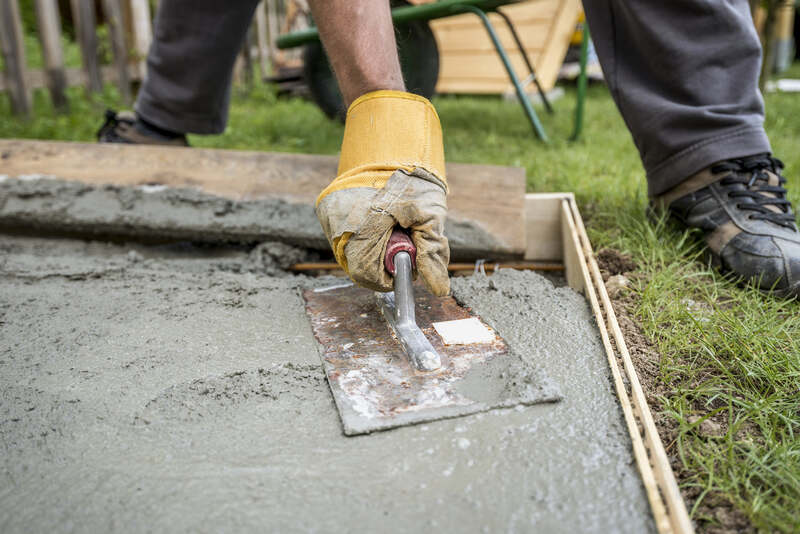
Steel makes concrete stronger. That’s the short version. The longer version involves choosing between wire mesh, rebar, fiber reinforcement, or some combination depending on the slab’s purpose.
Wire mesh – welded steel grid – goes in most of our light-duty residential pours. It controls cracking. Doesn’t add a ton of structural strength, but it keeps small cracks from spreading across the surface and turning into big ones. Good for shed pads, walkway slabs, and utility pads.
Rebar is the real structural reinforcement. #4 bars laid in a grid pattern and tied at every intersection. This is what goes into slabs that carry weight – vehicle pads, workshop floors, equipment bases. The rebar transfers load across the slab so pressure in one spot doesn’t concentrate into a single crack line.
Fiber mesh is a newer option. Synthetic fibers mixed directly into the concrete during batching. Helps with shrinkage cracking during cure and adds some impact resistance to the surface. We use it as a supplement, not a replacement for steel. Some contractors sell fiber mesh as a substitute for rebar to save money. That’s cutting a corner and we won’t do it.
This is probably the most common slab job we get called for. Someone buys a prefab shed or plans a detached garage and realizes they need a concrete pad underneath it. Smart move. Setting a building directly on the ground – even on blocks – leads to settling, moisture damage, and termite exposure. Florida code is pretty clear about the termite part.
Speaking of which. Termite pretreatment is required in Florida before pouring a slab that will support a habitable or enclosed structure. We coordinate that with a licensed pest control company so the ground gets treated before the poly barrier and concrete go down. Not every contractor handles this, and skipping it can cause you problems during inspections and way bigger problems down the line when subterranean termites find untreated soil under your new building.
For the slab itself, we typically pour 4 to 6 inches depending on the building size and use. Anchor bolt placement gets laid out before the pour so they’re embedded in the wet concrete exactly where the structure’s sill plate will land. Measure twice on that one. Moving an anchor bolt after the concrete sets means drilling and epoxying, which is a pain and a weaker connection.
Old slabs develop problems. Some are cosmetic – surface pitting, staining, minor flaking. Others are structural. A slab that’s cracked through and rocking when you step on it has lost its base support somewhere underneath. That’s not a surface fix.
Mudjacking can sometimes save a slab that’s settled but isn’t broken. We pump a slurry underneath to fill the void and lift the slab back to level. Quick, affordable, and minimally invasive. Works great on smaller pads that have dropped an inch or two.
When the slab is cracked badly or the base has washed out, replacement is the move. Tear it out, regrade, recompact, repour. Costs more than a repair but you end up with concrete that actually works again instead of a patched-over problem waiting to come back. We tell every client the same thing – better to spend the money once on a real fix than twice on temporary ones.
Small slabs are still slabs. A 3×3 AC pad might seem like a simple job, but if it settles unevenly, your condenser unit rocks, the refrigerant lines stress, and eventually something cracks or disconnects. Same principle with a whole-house generator – those units vibrate constantly and need a flat, stable base that absorbs the load without shifting.
Our minimum prep for equipment pads is the same as any other pour. Excavate, fill, compact, form, pour. No shortcuts just because the slab is small. A 3×3 pad takes us maybe half a day including prep. Costs a fraction of what you’d spend fixing a damaged AC unit or generator that fell off an inadequate base.
Before you call us – or any contractor – think about three things. What’s going on top of the slab? How heavy is it? And where on your property do you want it?
That’s the starting point of every conversation we have. From there, we figure out thickness, reinforcement, drainage, and whether you need a permit. Clearwater requires permits for certain slab pours, especially if they’re attached to a structure or exceed a specific square footage. We handle the permit process if one’s needed – pull the application, schedule the inspection, make sure everything passes on the first go.
Timeline for most residential slab jobs is about one to three days from demo or excavation through final pour. Cure time adds another week before you should load it. If you’re putting a shed or garage up, the building can typically go on after seven days of curing in warm weather. We lay all of this out during the estimate so there are no calendar surprises.
Garage foundations, shed pads, RV parking pads, equipment bases, workshop floors. All of them need concrete underneath, and all of them need it done correctly or you’re paying for the same job twice later.
AJ Concrete Contractor has poured slabs across every part of Clearwater – from compact lots near Downtown to larger properties out past McMullen Booth. We also cover Largo, Dunedin, Palm Harbor, Safety Harbor, and the rest of the Pinellas County area. Call (727) 758-3748 and tell us what you need. We’ll come measure, talk through the specs, and get you a quote on the spot.
4 inches, 6 inches, 8 inches – the spec matches the load. We don’t default to the cheapest option and hope for the best.
Compacted fill in lifts, vapor barrier, correct grading. The part you never see is the part that matters most.
Need a permit for your slab? We pull it, schedule the inspection, and make sure it passes. One less thing on your list.
Sandy soil, high water tables, aggressive root systems. We prep for Clearwater’s specific conditions on every job.
Shed pad, garage floor, equipment base, vehicle pad – whatever you need a slab for, we build it right the first time. AJ Concrete Contractor serves Clearwater and surrounding cities with concrete work that holds up to real use in real Florida conditions. Call for a free estimate.