Outdoor seating fills tables. That’s not opinion – ask any restaurant owner in Clearwater who added a patio and watched their covers jump 30% overnight. AJ Concrete Contractor pours commercial patios for restaurants, cafés, office buildings, and retail properties across Clearwater. We’ve been doing it long enough in Pinellas County to know what surface holds up under daily furniture rearrangement, constant foot traffic, and Florida weather that can’t decide between scorching sun and sideways rain.
A residential patio is a luxury. A commercial patio is a revenue generator. Big difference in how you think about the investment.
Restaurant patios in Clearwater run year-round because the weather allows it. Even in January, outdoor dining is comfortable most evenings. That means every square foot of usable patio space is producing income 12 months a year. A 400-square-foot patio that seats 20 additional diners at an average ticket of $35 – do that math weekly and the patio pays for itself within a few months.
Office courtyards attract better tenants. Retail patios keep shoppers lingering instead of walking to their car. Brewery taprooms with outdoor concrete seating areas sell more beer per visit than those limited to indoor bar stools. The concrete itself isn’t the product. It’s the platform that makes the product possible.
Commercial patio work has wrinkles that residential doesn’t. Permits, ADA access, fire code egress paths, weight loads from commercial-grade furniture – all of it factors into the design before we set a single form board.
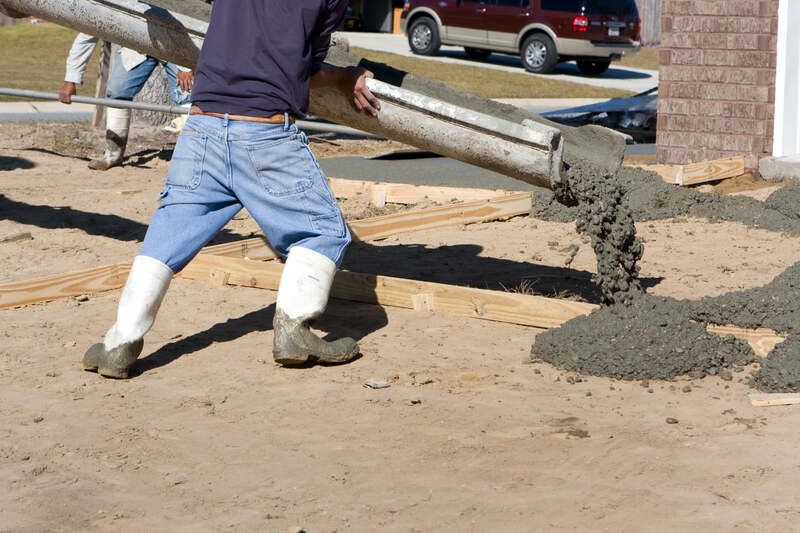
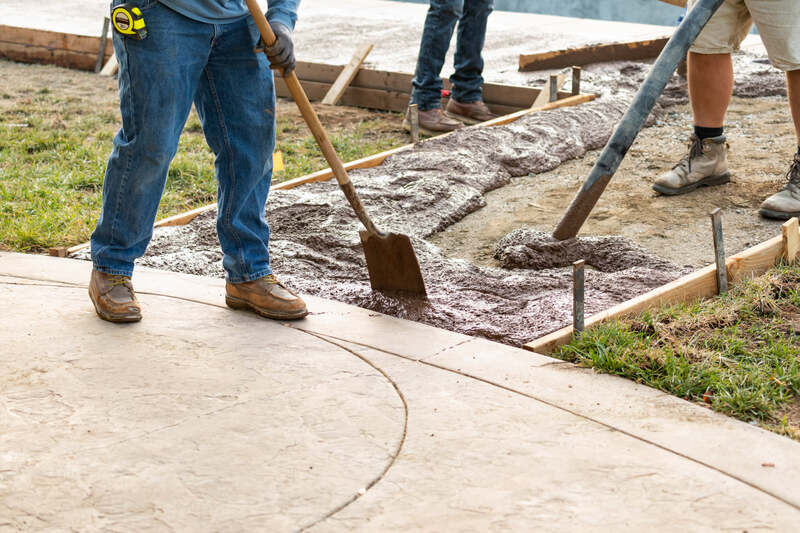
Base prep follows our standard commercial process. Excavate, compact native soil, bring in aggregate base material, compact in lifts, moisture barrier where needed. Clearwater’s sandy substrate drains well but compacts poorly, so we don’t rush the base work. A patio that settles under 50 chairs and 15 tables full of customers is a bigger problem than a backyard slab that dips near the fence.
Thickness is typically 5 to 6 inches with wire mesh or rebar depending on what’s going on top. A café patio with lightweight aluminum furniture is a different load profile than a brewery patio with heavy timber benches and concrete planters. We spec accordingly.
Forming is where commercial patios get interesting. Curved edges along a building facade. Notches around mature tree trunks the owner wants to keep. Level transitions from the indoor floor to the outdoor surface through a doorway that has to meet ADA threshold requirements. Step-downs to a lower grade with integrated stairs or ramps. Every commercial patio has at least one oddball forming challenge. We kind of like those.
If your patio serves the public, ADA applies. Full stop.
The path from the parking lot or public sidewalk to the patio seating area has to be accessible. That means no steps without an alternative ramp. Cross slopes on the patio surface can’t exceed 2%. Running slopes stay under 5% unless a handrail-equipped ramp is provided. At least one accessible route has to connect the patio to the building interior, restrooms, and any other amenity the business offers.
Table spacing matters too. ADA requires accessible seating distributed throughout the dining area – not shoved into one corner. Clearance between tables needs to accommodate wheelchair passage. The patio surface has to be stable, firm, and slip-resistant under all weather conditions.
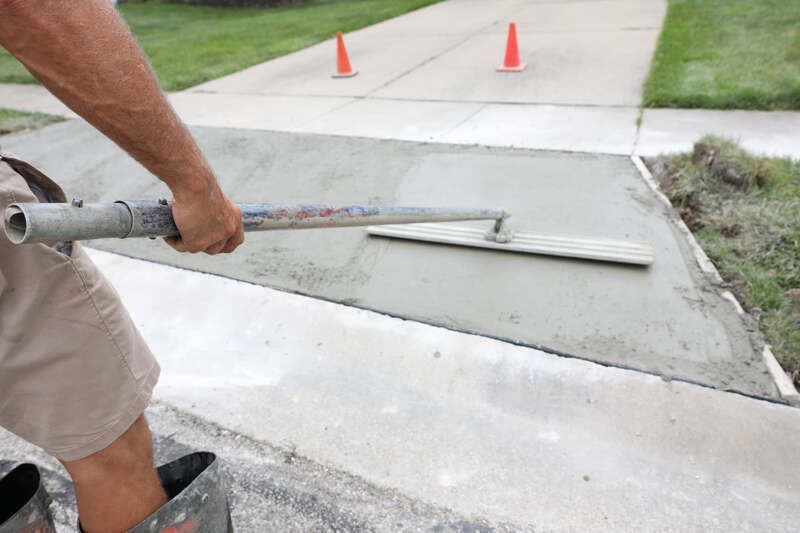
We build ADA compliance into the patio design from day one. Slopes get checked during the pour with a digital level. Accessible routes are formed at the correct width and grade before concrete goes in. Doing it right during construction is always cheaper than retrofitting after a complaint forces your hand. And in Clearwater’s competitive restaurant market, excluding customers isn’t a business strategy anyone can afford.
The finish has to look good, feel good underfoot, handle furniture without scratching up, and not turn into a skating rink when it rains. Tall order for a concrete surface, but there are finishes that check every box.
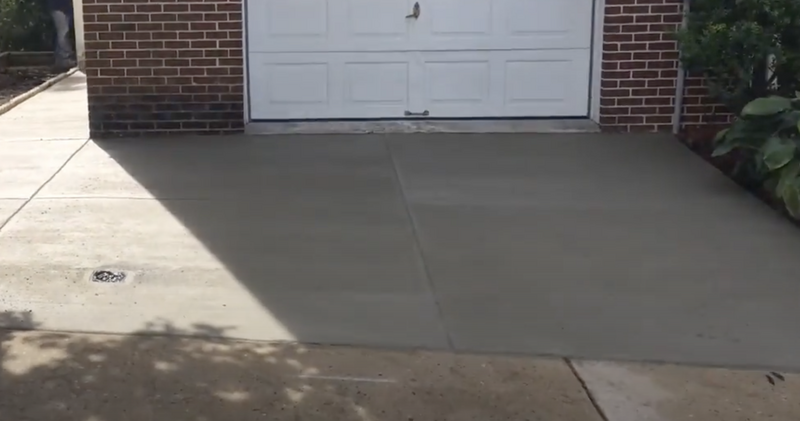
Broom finish is the workhorse. Lines pulled through the wet surface create directional texture that provides traction in wet conditions. Not the prettiest option but functionally solid and the cheapest to install. Works well for back-of-house patios, employee break areas, and utilitarian outdoor spaces where aesthetics aren’t the priority.
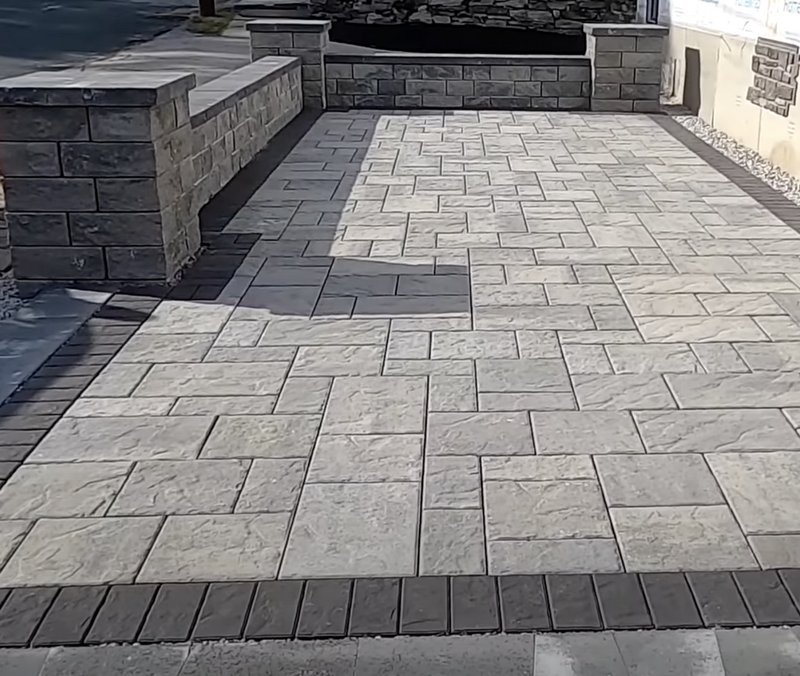
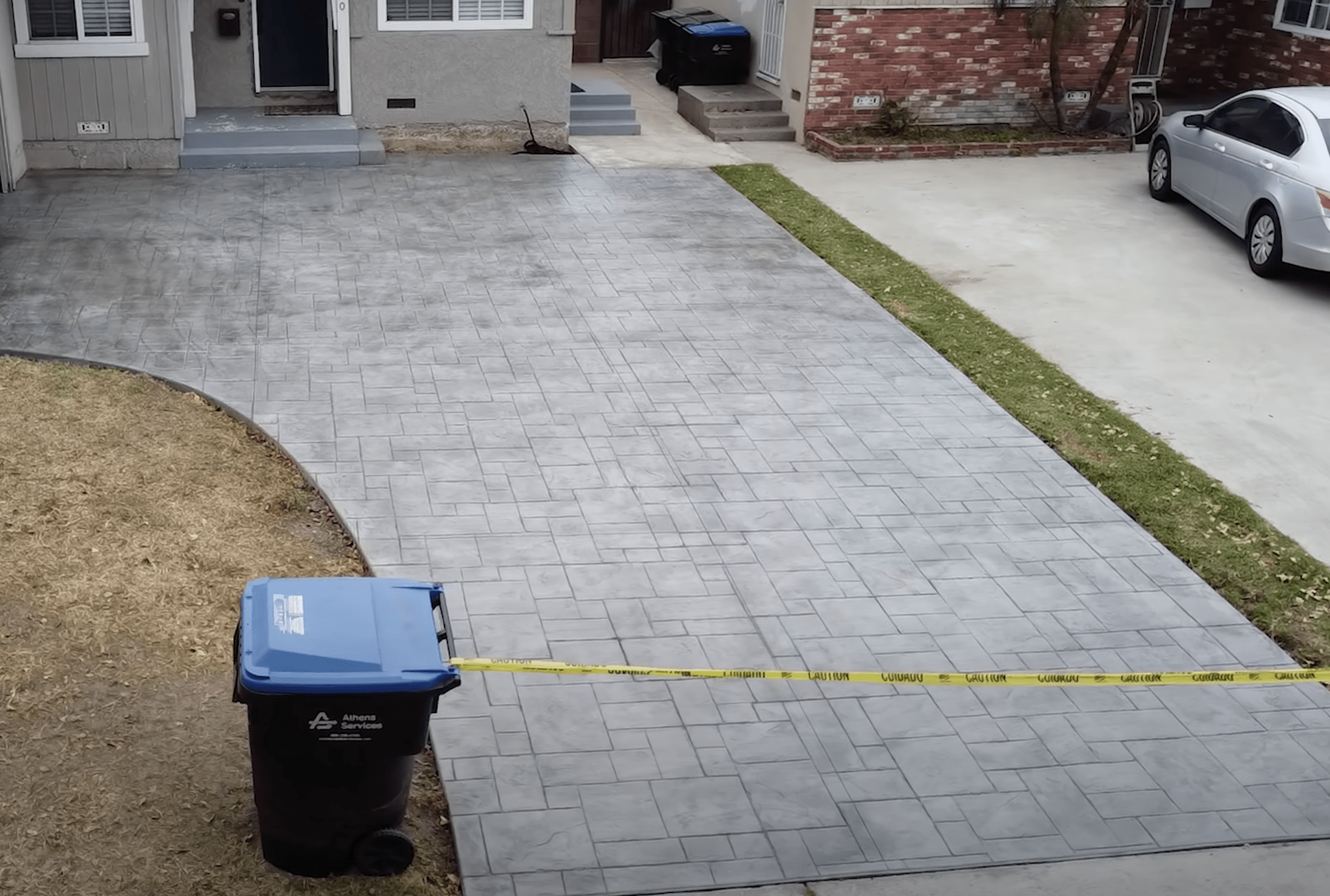
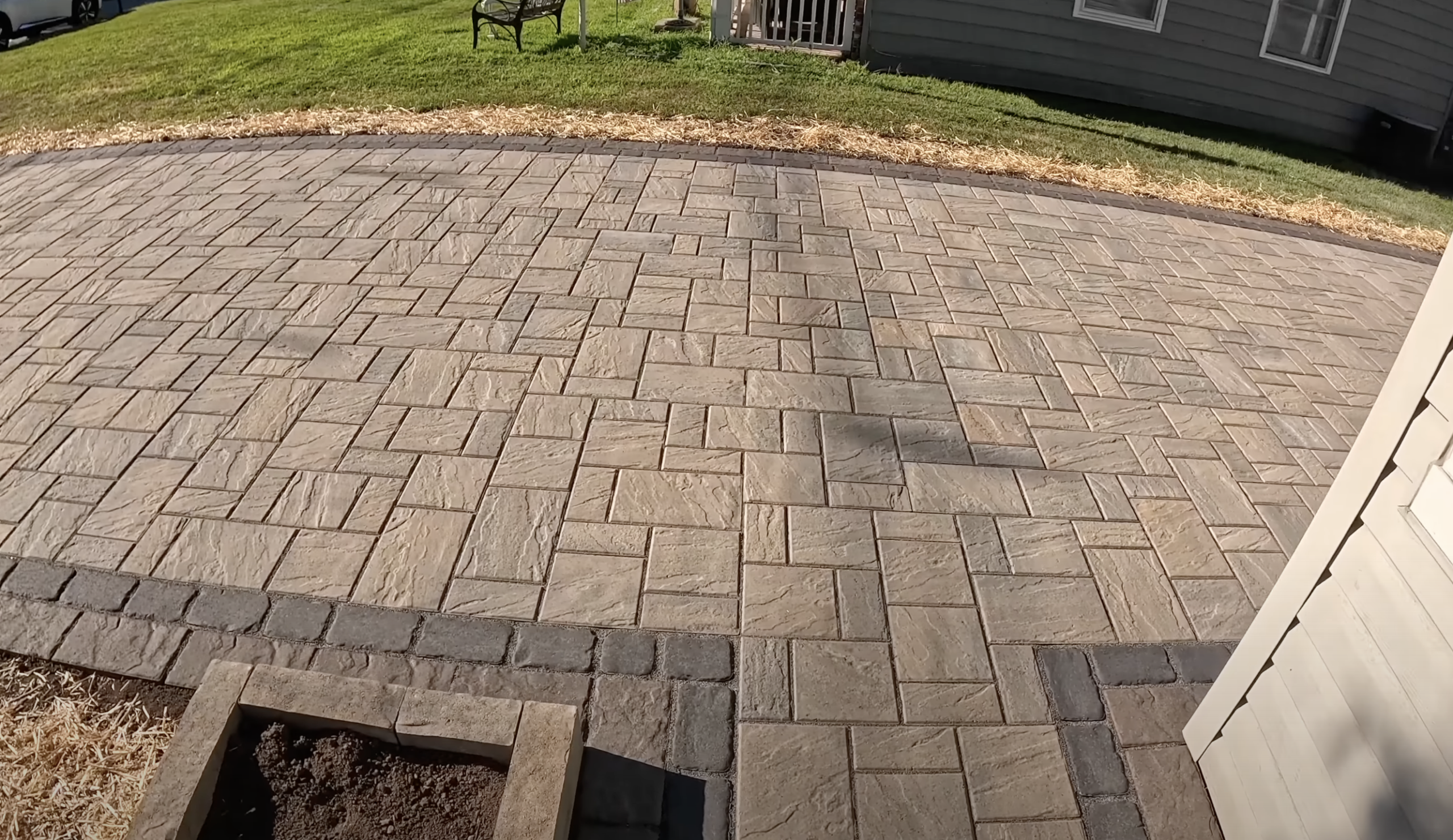
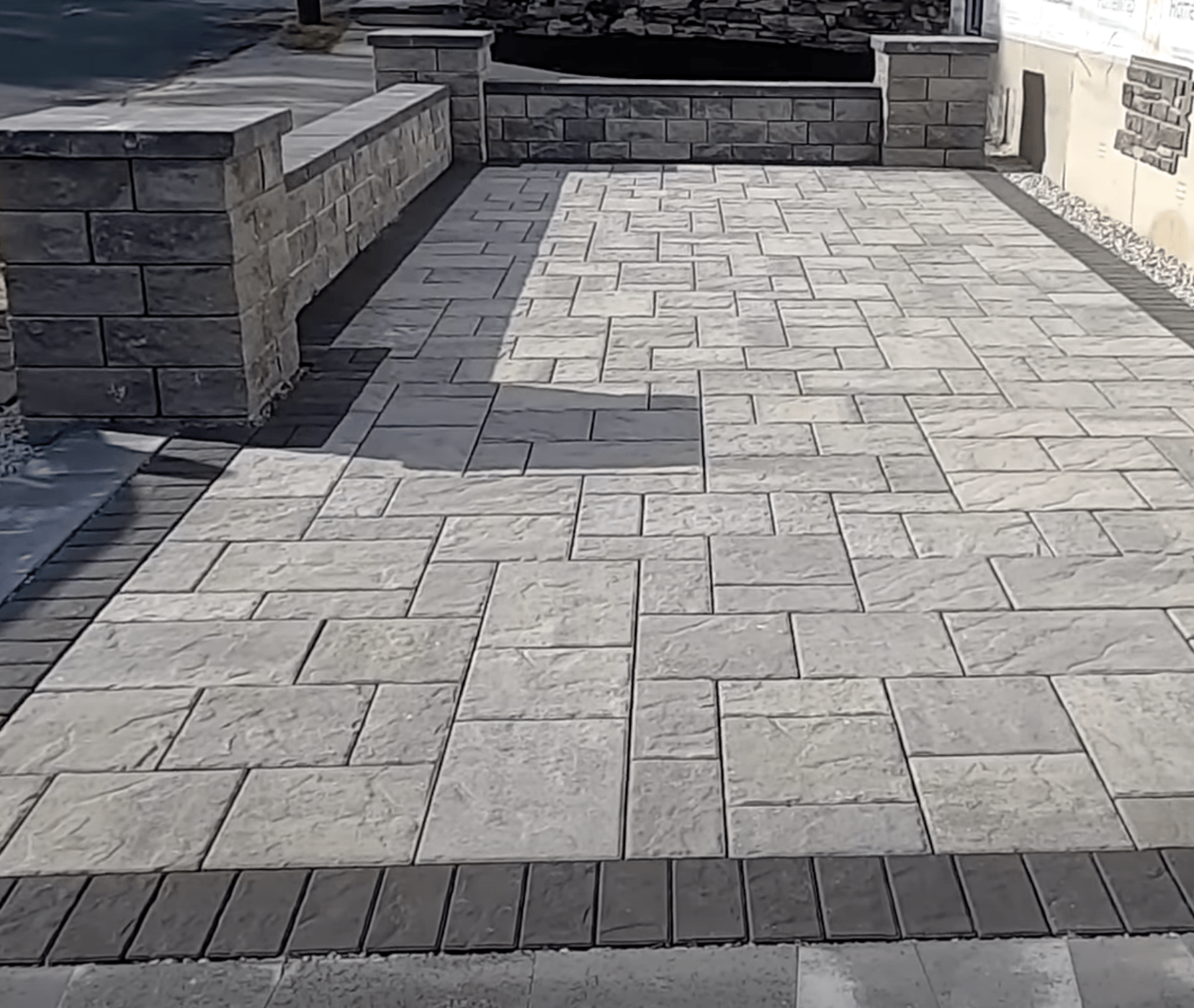
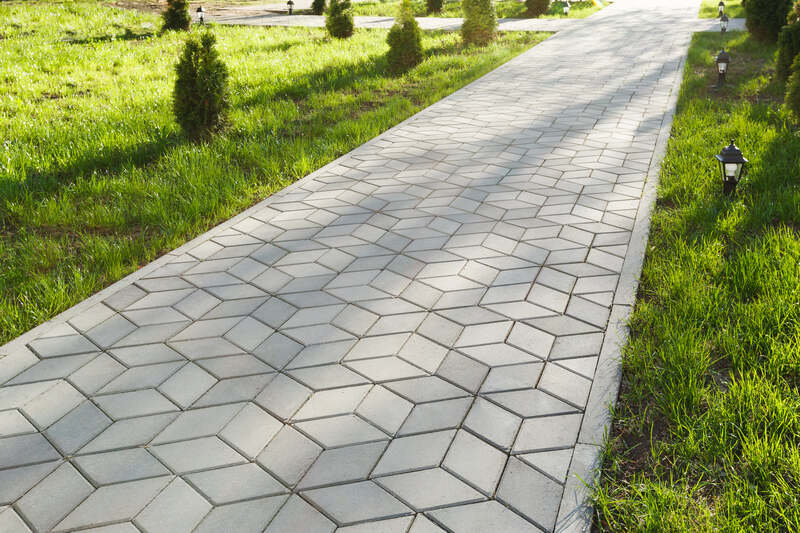
Stamped concrete is where most Clearwater restaurant and retail patios land. Natural stone patterns, brick layouts, slate textures – the visual impact is significant and it sets the tone for the business. Color options are wide open. We match the stamp pattern and color to the building’s exterior palette so the patio feels intentional, not tacked on.
Exposed aggregate shows the stone within the concrete for a natural, textured look. Popular for office courtyards and mixed-use developments around Clearwater where a more organic feel fits the property’s character.
Polished concrete works on covered patios where rain exposure is minimal. Sleek, modern, easy to clean. Restaurants with covered outdoor dining areas love the look. Not recommended for uncovered surfaces because polished concrete gets dangerously slick when wet.
Forty people sitting on a patio during a sudden Clearwater thunderstorm. Within 90 seconds the surface is underwater. Where does the water go?
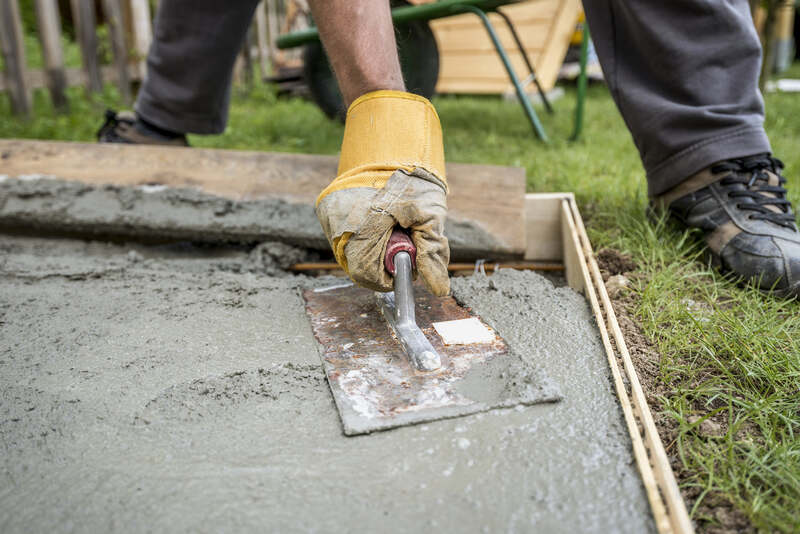
If the answer is “under the tables and toward the building entrance” then the patio was graded wrong. We pitch every commercial patio away from the building at a minimum 1% to 2% grade. The slope is subtle enough that furniture sits stable and people don’t feel like they’re dining on a hill, but steep enough that water moves decisively toward the drain edge.
On larger patios, surface drainage alone isn’t always sufficient. We install trench drains along the low side or at mid-patio transition points – narrow grated channels that collect sheet flow and pipe it below grade to a storm connection or retention area. These drains also catch the runoff from roof downspouts that hit the patio surface, which is a common design oversight. The architect puts a downspout at the corner of the building and nobody thinks about where that water goes once it hits the patio. We think about it.
Covered patios have different drainage needs. Less rain exposure but still susceptible to wind-driven rain and wash water from cleaning. A slight slope toward the open edge and a small lip or channel at the drip line handles it without adding interior drains.
Three things that need to be decided before pour day, not after.
String light pole bases. If the patio is getting overhead cafe lights strung between poles, those poles need anchor points embedded in the concrete. We set stainless steel sleeve inserts during the pour at the locations your lighting plan specifies. After cure, the poles drop into the sleeves and bolt down. Clean, permanent, and strong enough to handle wind loads without wobbling.
Electrical conduit for floor outlets. Outdoor outlets on a commercial patio need to be on a dedicated GFCI circuit and positioned where they won’t create trip hazards. We set conduit runs and junction box locations during the pour so the electrician can pull wire after the slab cures. Retrofitting electrical into a finished patio means sawcutting channels, running conduit, and patching – messy and expensive.
Furniture anchoring. Some commercial patios need tables or benches permanently anchored to prevent theft or wind displacement. We embed threaded inserts or anchor bolts at table locations during the pour. The furniture bolts down to the concrete surface and stays put through storms, crowds, and closing time.
All three of these are easy to accommodate during construction and painful to add later. We bring them up during the planning conversation because most clients don’t think about them until the patio is finished and they realize they have no way to hang lights or plug in a heater.
Clearwater has specific requirements for commercial outdoor dining and patio areas. Building permits, sometimes site plan modifications, fire code egress reviews – the scope depends on the size of the patio and how it’s being used.
Outdoor dining patios that expand a restaurant’s seating capacity typically need a modification to the certificate of occupancy. The health department may need to inspect if food is being served outdoors. Fire marshals check that the patio doesn’t block emergency exits or reduce egress width below code minimums.
If the patio extends into a public right-of-way – like a sidewalk café situation on a downtown Clearwater street – you’re dealing with a right-of-way use agreement with the city on top of the building permit. We’ve worked on projects where the permitting process took longer than the actual concrete work. Not ideal, but that’s the reality of commercial construction in a municipality with active code enforcement.
We don’t process permits ourselves on commercial jobs – that usually falls to the property owner, their architect, or their GC. But we coordinate our work with whatever the permit timeline requires and we make sure the concrete specs meet the approved plans.
High-traffic commercial patios show wear faster than residential ones. The furniture scraping, the pressure washing, the spilled drinks, the foot traffic volume – it all takes a toll on the surface finish over time.
Resurfacing is usually the first line of defense. Strip the old sealer or coating, repair any cracks, and apply a fresh overlay or re-stamp and re-seal the surface. Transforms a tired-looking patio into something that looks freshly poured at a fraction of the replacement cost. Downtime is typically two to three days – we schedule it during your slow period so revenue impact is minimal.
Structural problems are different. A patio section that’s sunk or cracked through due to base failure needs demo and repour. We sawcut the failed area, tear it out, recompact the base, and pour a new section that ties into the existing surface. Matching the existing finish and color is the challenge on partial replacements – we keep records of the stamp patterns and color mixes we’ve used on Clearwater commercial projects so we can get as close a match as possible.
Restaurant courtyards on Cleveland Street. Brewery patios near the waterfront. Office building common areas along Gulf-to-Bay. Retail storefronts with outdoor display space in Clearwater’s downtown district. We’ve poured commercial patios at all of those property types and each one required a different approach to design, drainage, access, and finish.
AJ Concrete Contractor serves commercial patio clients across Clearwater, Largo, Dunedin, Palm Harbor, St. Petersburg, Tampa, and surrounding communities. We work with property owners, restaurant operators, architects, and GCs. Whatever role we’re filling on the project – sole contractor or concrete sub – the approach stays the same. Spec it right, prep the base properly, pour to tolerance, finish to match the vision. Call (727) 758-3748 to talk about your project.
Commercial patios add seating, attract foot traffic, and expand usable square footage. The concrete is the investment that produces return.
Accessible routes, proper slopes, compliant thresholds. Designed into the pour, not patched in afterward.
Light pole sleeves, electrical conduit, furniture anchors – all set during construction when it’s easy, not after when it’s expensive.
Stamped, exposed aggregate, broom, polished. Matched to your brand, your building, and your customers.
Restaurant, office, retail, brewery – whatever the space, AJ Concrete Contractor pours commercial patios across Clearwater built for daily business use and Florida weather. Designed right, permitted properly, finished to impress. Call for a quote.