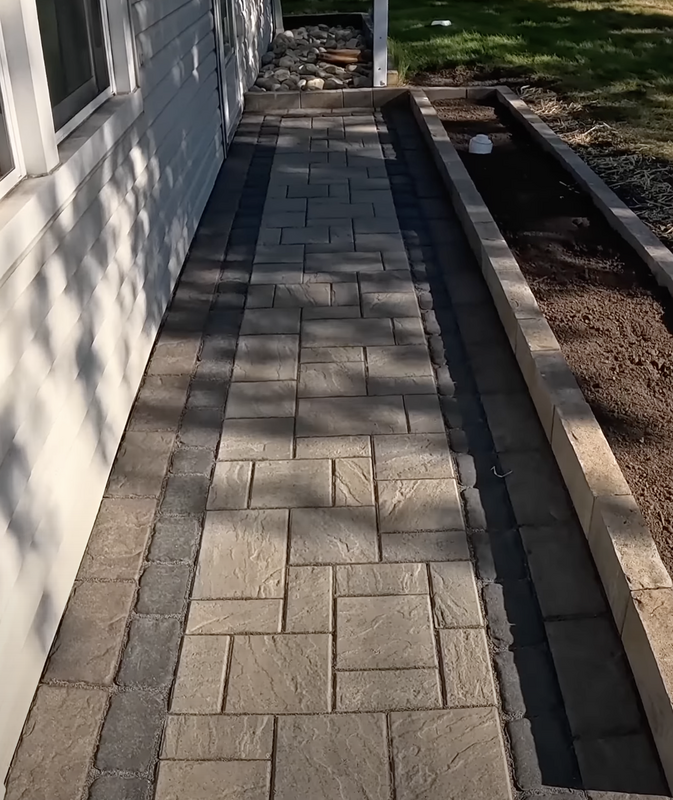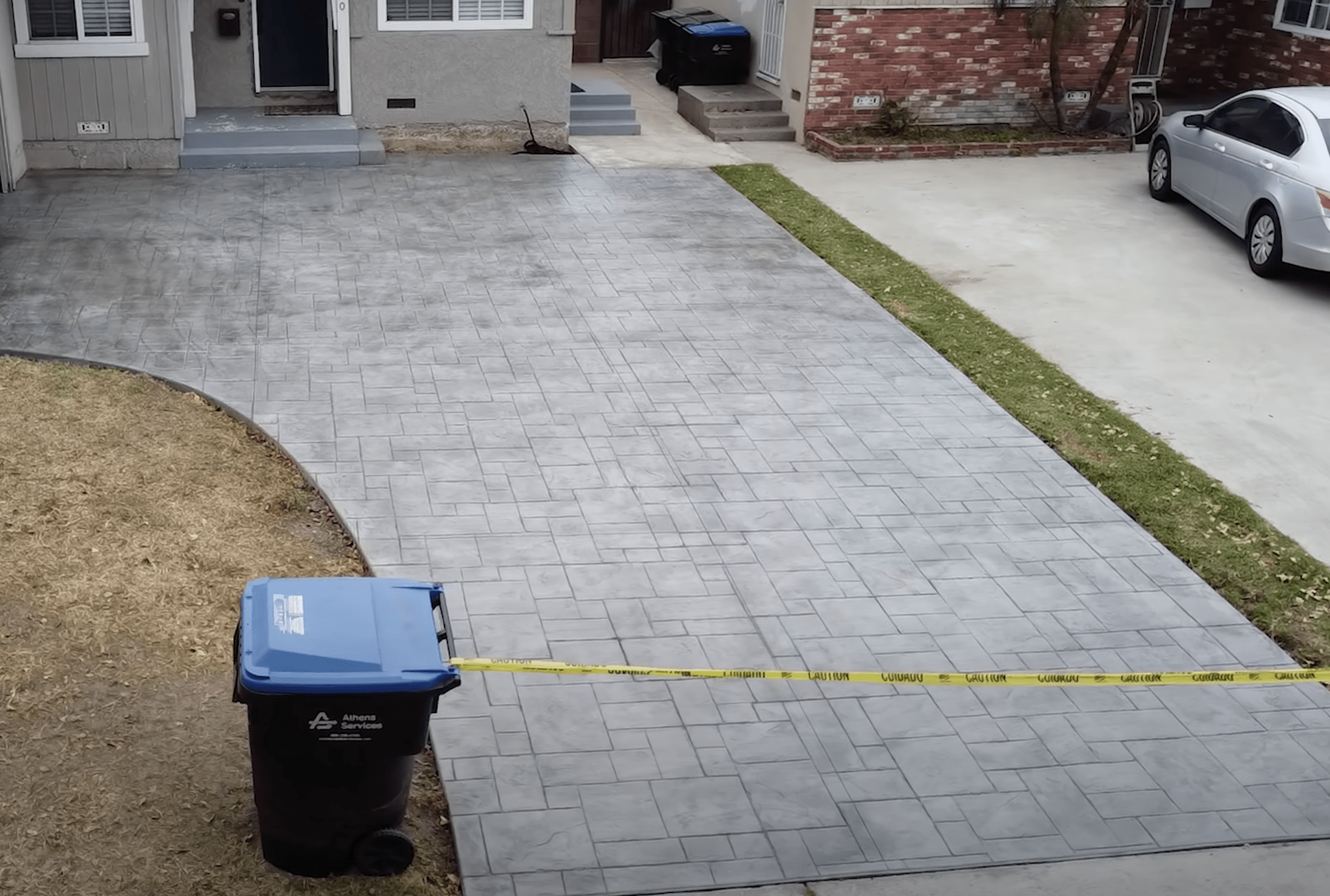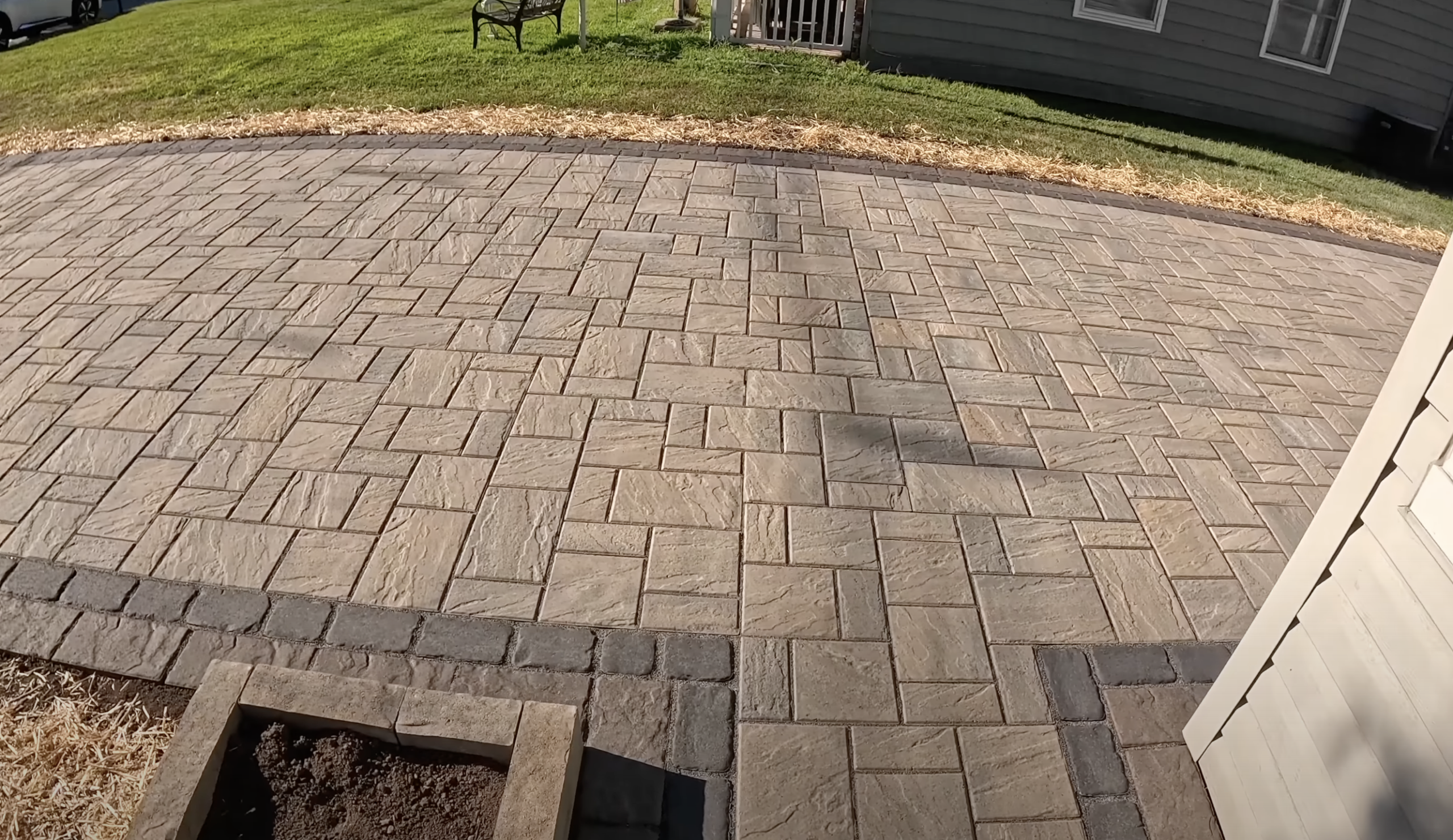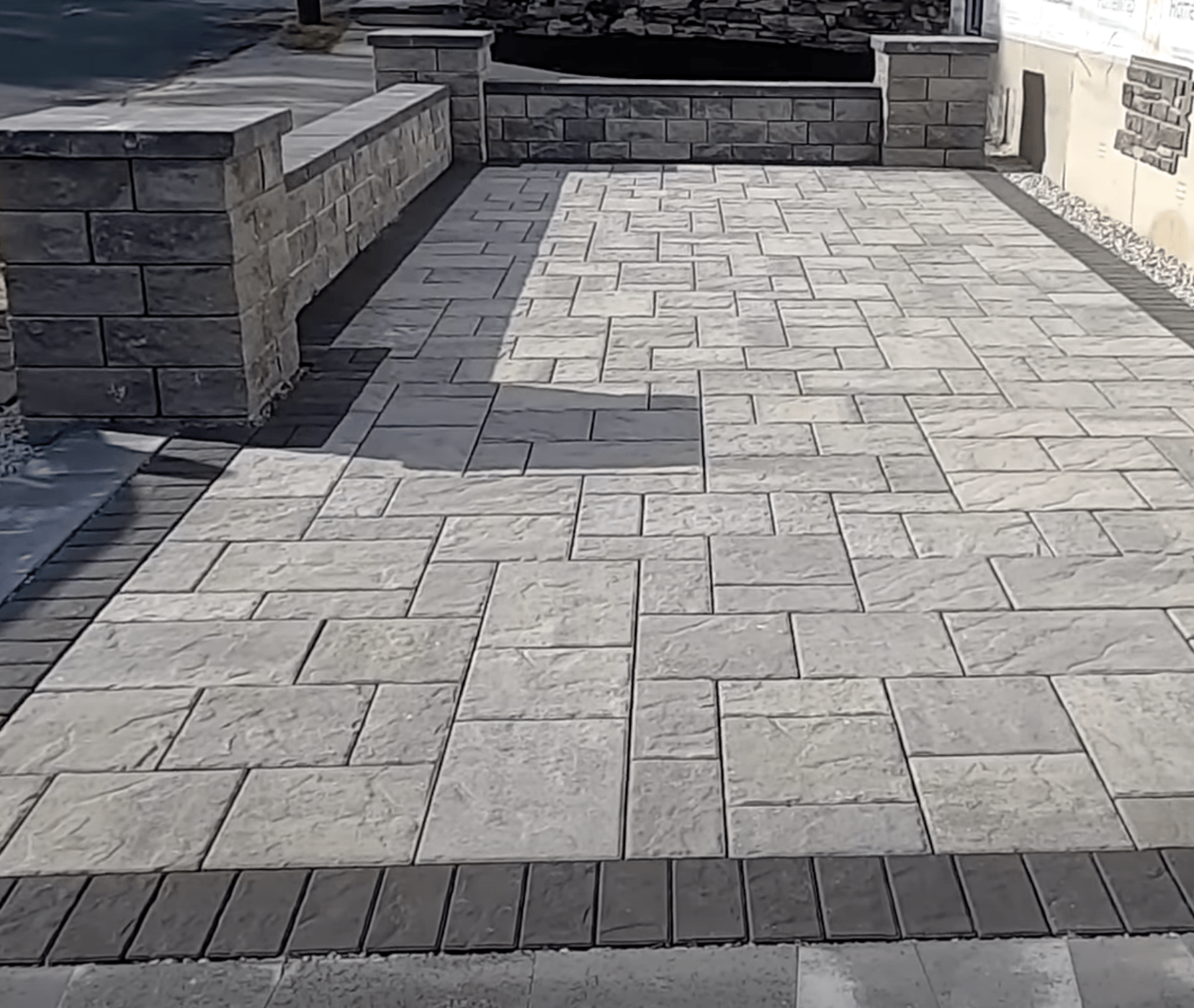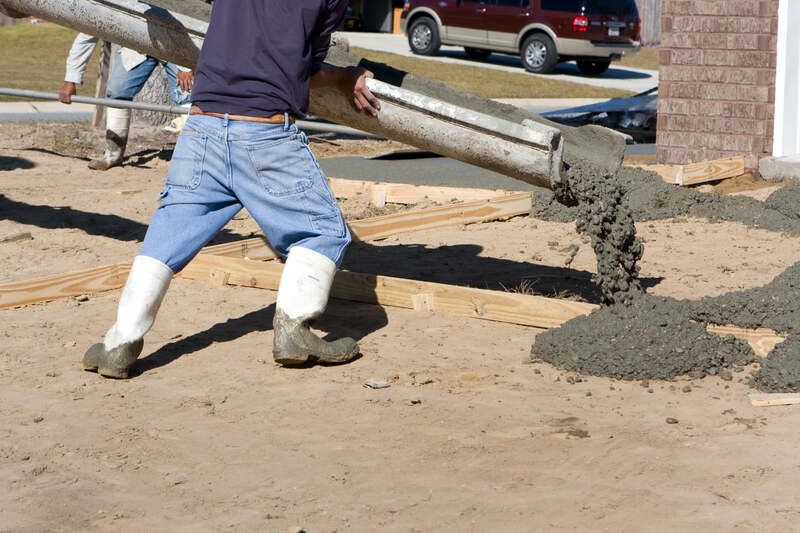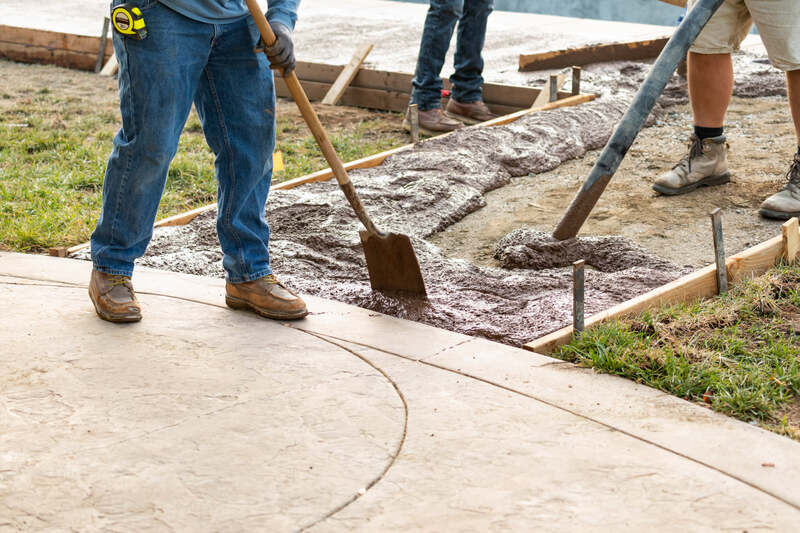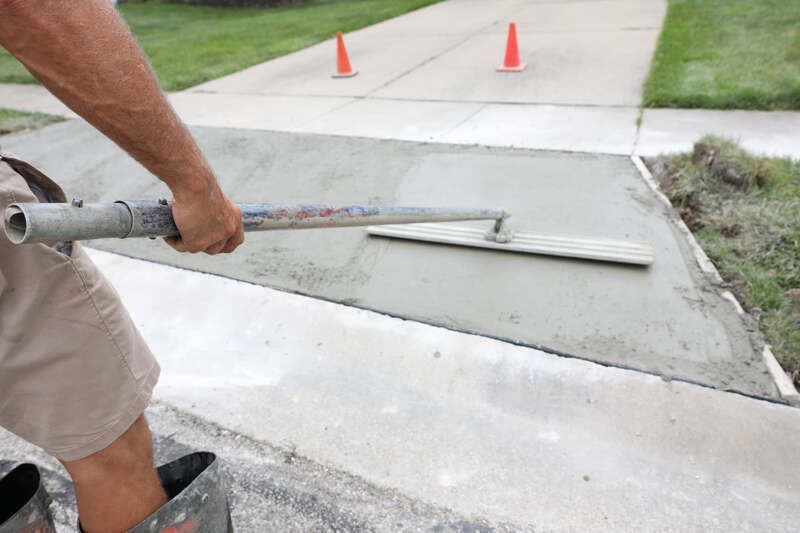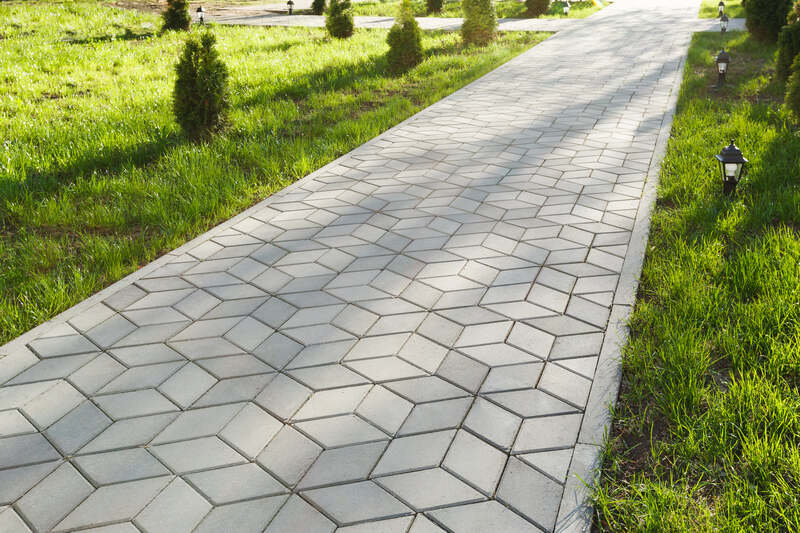
Somebody trips on your commercial sidewalk and the first call they make isn’t to you. It’s to a lawyer. AJ Concrete Contractor builds and replaces commercial concrete sidewalks across Clearwater for property owners and managers who can’t afford that kind of liability. We’re a licensed Pinellas County concrete company with years of commercial sidewalk work behind us – ADA-compliant surfaces poured on properly prepped bases that stay flat and drain correctly under heavy daily foot traffic.
Residential sidewalks are about curb appeal. Commercial sidewalks are about not getting sued.
That sounds harsh but it’s the reality every property owner in Clearwater faces. A customer, employee, or delivery driver trips on a raised panel or catches their foot on a crumbled edge – and your insurance company gets a claim. Happens more than people think. Slip-and-fall is one of the most common premises liability categories in Florida, and deteriorated walkways are near the top of the cause list.
Keeping your commercial sidewalks level, intact, and code-compliant isn’t just maintenance. It’s risk management. Every cracked panel and heaved section is a potential claim sitting in plain sight. We fix and replace commercial sidewalks across Clearwater specifically to eliminate that exposure before it turns into a five-figure problem.
Commercial walkways take abuse that residential ones never see. Shopping carts rolling across them all day. Delivery dollies bouncing over joints. Wheelchair traffic grinding down surfaces. Power washing every week. That volume of use demands thicker slabs, tighter joint spacing, and better base prep than a front walk at someone’s house.
We pour commercial sidewalks at 5 to 6 inches thick minimum. Rebar reinforcement on jobs where vehicle crossings intersect the walkway – think parking lot entries that cut across a pedestrian path. Wire mesh on standard foot-traffic-only sections. Base material is always compacted aggregate, never raw sand, because sand migrates under repeated load cycles and creates voids that lead to settling.
Forming commercial walks is more involved too. Widths typically run 5 to 8 feet depending on expected pedestrian volume and ADA requirements. Grade has to pitch away from the building at a consistent slope while also staying within ADA’s 2% cross-slope maximum. Hit both targets on a 200-foot run of sidewalk and you’ll appreciate why commercial concrete work pays more than residential.
Federal law. Not a suggestion. Not a best practice. Law.
Every commercial sidewalk that serves as a path of travel to a public or employee entrance has to meet ADA accessibility standards. Running slope can’t exceed 5%. Cross slope stays at 2% or under. Surface has to be stable, firm, and slip-resistant. Changes in level greater than a quarter inch need to be beveled or ramped. Anything over half an inch requires a full ramp with handrails.
Detectable warning surfaces – those bumpy yellow or red panels you see at curb ramps – are required at vehicular crossings and street transitions. They have to be the right size, the right placement distance from the curb face, and contrast visually with the surrounding concrete.
We build every commercial sidewalk in Clearwater to current ADA standards from the start. Retrofitting accessibility into an existing walk that wasn’t designed for it means sawcutting, demolishing sections, regrading, and repouring – basically doing the job twice. Costs twice as much and disrupts operations twice as long. Getting it right the first pour is the move.
Some commercial sidewalks in Clearwater fall within the public right-of-way. That changes things.
Right-of-way sidewalks have to meet city specifications for width, thickness, and placement relative to the curb and property line. Clearwater’s engineering department reviews plans and issues permits for work within the ROW. We’ve pulled dozens of these permits and know what the city wants to see in the application – site plan, cross-section detail, traffic control plan if the work is adjacent to a travel lane.
Private commercial sidewalks on your own property are less regulated but still need to comply with building code and ADA. Permits may or may not be required depending on the scope. We check with the building department on every job so there are no surprises during or after construction.
One nuance that catches property owners off guard – in some cases, the city holds the property owner responsible for maintaining the sidewalk in the public right-of-way adjacent to their property. So if the city walk in front of your business is cracked and someone gets hurt, the liability might land on you even though you don’t technically own that concrete. Worth knowing. Worth fixing.
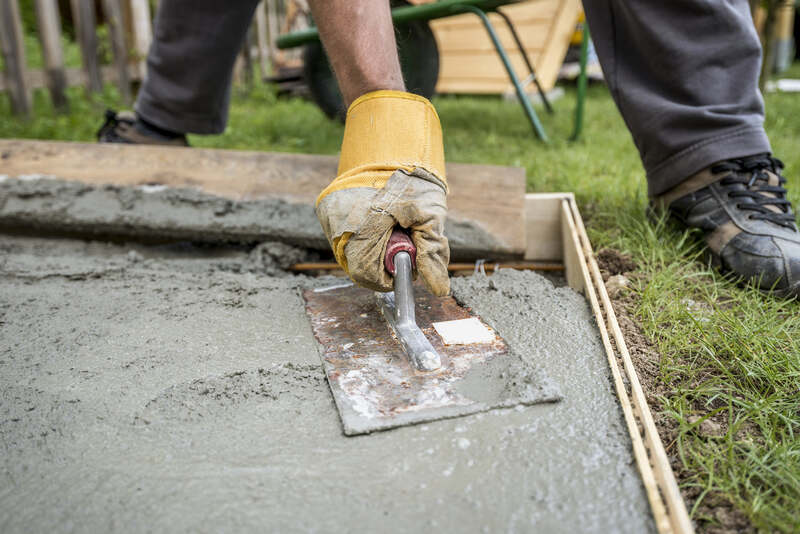
Old commercial sidewalks in Clearwater fail for predictable reasons. Tree roots from landscaped strips push panels up. Irrigation runoff erodes base material. Heavy use wears the surface down to exposed aggregate. Utility cuts from plumbers and electricians leave patched sections that never match and often settle below grade.
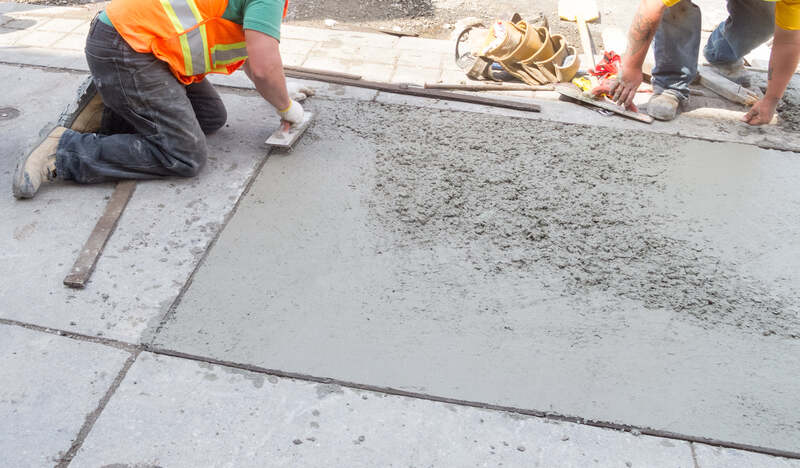
Replacement starts with sawcutting around the failed panels. Clean perimeter cuts that don’t disturb the panels staying in place. Demo, haul, regrade, recompact, form, pour. Matching the existing walk in thickness, width, finish, and elevation is critical – a new panel that sits even a quarter inch higher than its neighbor creates a trip edge and defeats the whole purpose.
On larger commercial properties with long sidewalk runs – shopping centers, office campuses, HOA common areas – we prioritize sections based on severity. Worst panels first. Moderate damage second. Cosmetic issues last. Spreads the cost across multiple budget cycles if needed and addresses the highest-liability areas immediately.
Foot traffic in front of a restaurant or retail store is different from foot traffic on an office campus. People are browsing, stopping, turning around, standing in groups. They’re carrying bags. They’re pushing strollers. They’re looking at their phones instead of where they’re walking.
That means the surface has to be forgiving. No abrupt level changes. No rough patches that catch a shoe edge. No standing water after a quick rain shower that forces people to step around puddles and into the parking lot. We pour retail and restaurant sidewalks with extra attention to surface smoothness and drainage pitch because the foot traffic pattern is less predictable and the liability window is wider.
Outdoor dining complicates things further. If tables and chairs sit on the sidewalk surface, that concrete needs to be dead flat so furniture doesn’t wobble. It also needs to handle the weight and scraping of being rearranged daily. A rough broom finish works for a standard walkway but it’s not great under table legs. We typically go with a medium broom or a light sand finish for outdoor dining areas – still provides adequate wet traction but smoother underfoot and under furniture.
Tearing up the sidewalk in front of a business on a Saturday afternoon isn’t going to make anyone happy. We get that.
Most of our commercial sidewalk work happens early morning, late evening, or over weekends when foot traffic is lowest. For retail properties, that usually means arriving at 6 AM and working until the stores open. For restaurants, we’ll work the morning window before lunch service starts. Office buildings are the easiest – weekends are dead and we can work uninterrupted.
Phasing applies here too. If a 300-foot run of sidewalk needs replacement, we don’t rip out the whole thing at once and leave the building with no pedestrian access for a week. We work in 50 to 75-foot sections, completing each one before moving to the next. Temporary walkways or pedestrian detour routes stay in place during active phases so tenants and customers always have a path to the door.
A well-poured commercial sidewalk on a proper base should last 20 years or more with minimal upkeep. Keyword being “well-poured” and “proper base.” The ones that fail in 5 to 7 years almost always come back to shortcuts during installation – thin slab, no rebar, sand instead of aggregate base, insufficient compaction.
Maintenance is mostly cosmetic. Pressure washing keeps the surface presentable. Joint sealant replacement every 5 to 7 years prevents water infiltration that erodes the base. If you’ve got landscaping adjacent to the walk, make sure your irrigation isn’t spraying directly onto the concrete edge – constant water exposure along one side creates differential moisture conditions that cause curling and edge cracking over time.
Tree roots are the one maintenance issue that can’t really be prevented, only managed. If you’ve got trees in a sidewalk planter strip, plan on replacing panels near those trees every 8 to 12 years as the root system grows. Or install root barriers during the original pour to redirect growth downward instead of laterally under the slab. We offer both approaches and can recommend which makes more sense based on the tree species and spacing.
Strip malls along US-19. Office parks near Countryside. Restaurant rows on South Ft Harrison and Cleveland Street. HOA walkway systems in gated communities off Belcher. Medical campuses near Morton Plant Hospital. We’ve poured and replaced commercial sidewalks at all of those property types across Clearwater and the results are still holding up.
AJ Concrete Contractor serves commercial clients in Clearwater, Largo, Dunedin, Palm Harbor, Safety Harbor, St. Petersburg, and Tampa. Property managers, building owners, HOA boards, general contractors – we work with all of them. Same approach every time: assess the damage, quote the fix, schedule around operations, pour it right, clean up and leave. Call (727) 758-3748 to set up a walk-through.
Level, ADA-compliant sidewalks protect your property and your insurance premiums. We build them to eliminate trip hazards.
Early mornings, evenings, weekends. Phased sections with pedestrian detours. Your business keeps operating.
ADA, Clearwater municipal specs, right-of-way requirements. Built to pass inspection the first time.
Root barriers and planned panel replacement for properties with tree-lined walkways. We manage the long game.
Cracked panels, trip hazards, ADA violations – whatever’s wrong with your commercial sidewalk, AJ Concrete Contractor fixes it. New installations, section replacements, full rebuilds across Clearwater. Scheduled around your tenants and your hours. Call for a site assessment.