A hot tub sitting on the wrong surface is a disaster waiting to happen. We’ve seen them crack paver patios, warp deck boards, and sink lopsided into gravel beds around Clearwater. The fix is always the same – a reinforced concrete pad built specifically for the weight. AJ Concrete Contractor has been pouring hot tub pads for Clearwater homeowners for years, and every one we’ve done is still sitting flat.
Do the math real quick. An empty hot tub weighs somewhere between 500 and 900 pounds depending on the model. Fill it with water and you’re adding another 3,000 to 4,000 pounds. Now put four adults in there. You’re looking at 5,000 to 6,000 pounds concentrated on a footprint that’s maybe 7 by 7 feet.
That’s roughly 120 pounds per square foot. Pavers can’t handle that kind of sustained load without shifting. A wood deck will eventually sag and rot from the constant moisture exposure. Even a standard patio slab that wasn’t designed for concentrated weight can crack under a hot tub if it’s too thin or unreinforced.
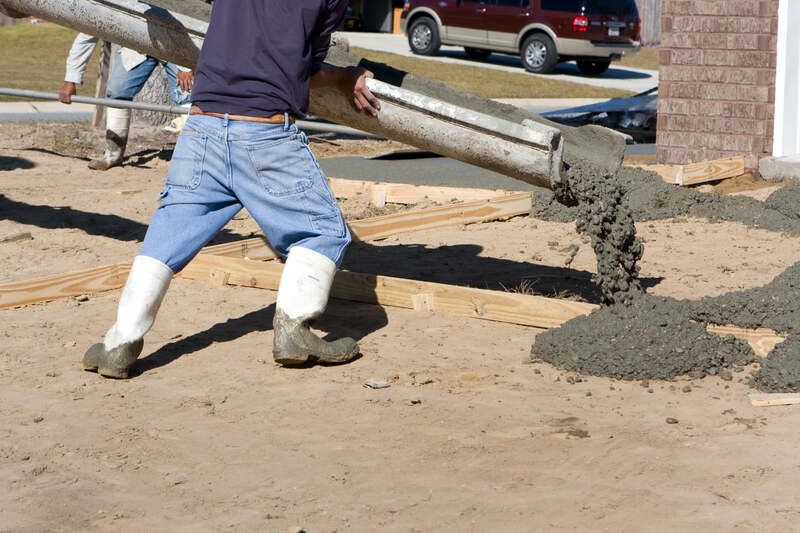
Concrete is the only surface that makes sense. Poured at the right thickness with proper reinforcement and a compacted base underneath, it supports the full loaded weight without flinching. Once, we had a client in Clearwater call us after their hot tub cracked three pavers and tilted sideways. They’d spent $2,000 on the paver patio six months earlier. The concrete pad we poured to replace it cost less than fixing the paver damage would have.
Small pad, big consequences if it’s done wrong. That’s how we approach every hot tub job.
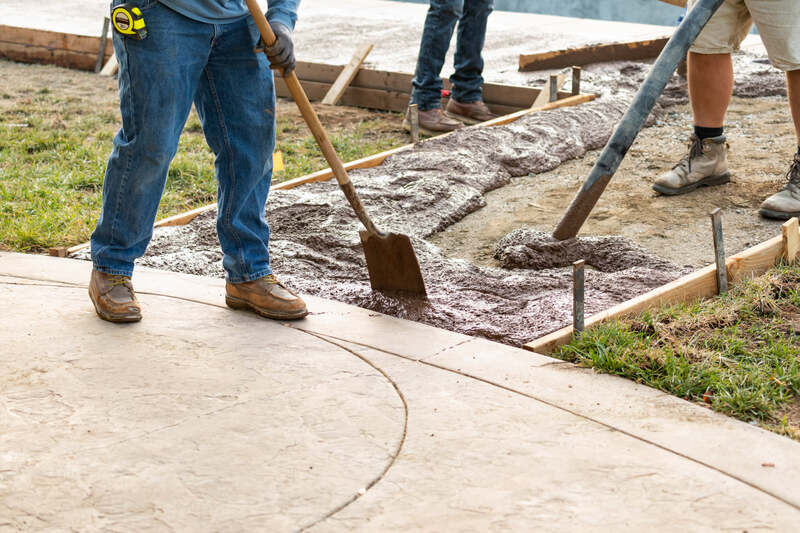
Excavation comes first. We dig down 8 to 10 inches below finished grade to make room for base material and the slab itself. Organic material, roots, soft spots – all of it comes out. In some Clearwater yards, especially close to the bay or near older neighborhoods with big tree canopy, the soil is so loose and root-heavy that we excavate deeper and add extra fill just to get a stable starting point.
Base goes in next. Crushed limestone, compacted in two lifts minimum. Then we set forms – level in both directions, because a hot tub that sits on a sloped pad puts stress on the shell and eventually cracks the acrylic. Dead level matters more here than on almost any other residential pour.
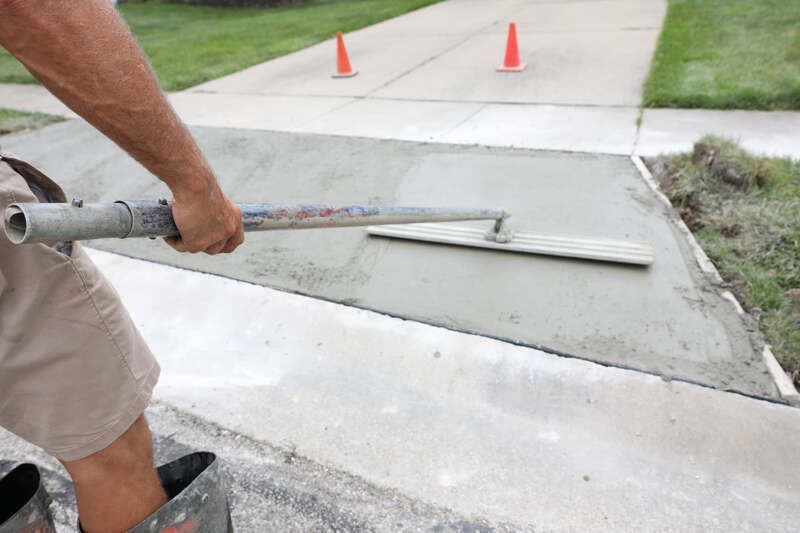
Rebar goes in on a grid. Not wire mesh – actual rebar. #4 bars at 12 inches on center, supported on chairs so they sit in the middle of the slab, not on the ground. Then we pour, screed flat, edge, and broom finish the surface for grip. Cure time is at least seven days before the tub goes on.
Bigger than the tub. Always. The pad should extend at least 12 inches beyond the edges of the hot tub on all sides. More if you can.
That extra space gives you room to step out without landing on wet grass or muddy dirt. It also allows the tub shell to breathe – hot tubs need airflow around the base for the equipment panels, and cramming the pad right to the edges makes servicing the pumps and heater a pain for your technician.
Standard sizes we pour most often: 8×8 for a smaller two-to-four person tub, 10×10 for a full-size six-to-eight person model, and occasionally 10×12 or custom dimensions for swim spas and oversized units. Tell us what tub you’re putting on it and we’ll size the pad accordingly. If you haven’t bought the tub yet, get the exterior dimensions from the manufacturer before we pour. Adjusting a concrete pad after the fact isn’t really an option.
Water goes everywhere around a hot tub. Splashing, draining, overflow, rain collecting on the cover. All that water needs a path away from your house and away from the pad edges.
We grade the surrounding ground so it slopes away from the pad and away from your home’s foundation. The pad itself stays level – has to for the tub – but the dirt around it pitches slightly outward. Some clients want a small trench drain along one side, especially if the pad sits close to a fence or structure where water might pool. Others are fine with natural grading.
If your hot tub is going near a screened lanai or pool enclosure, drainage matters even more. Water sitting against aluminum framing corrodes it over time. We see that a lot around Clearwater – hot tub overflow running toward the lanai frame, eating away at the base channels. A few inches of grade change solves it, and we build that into the plan from the start.
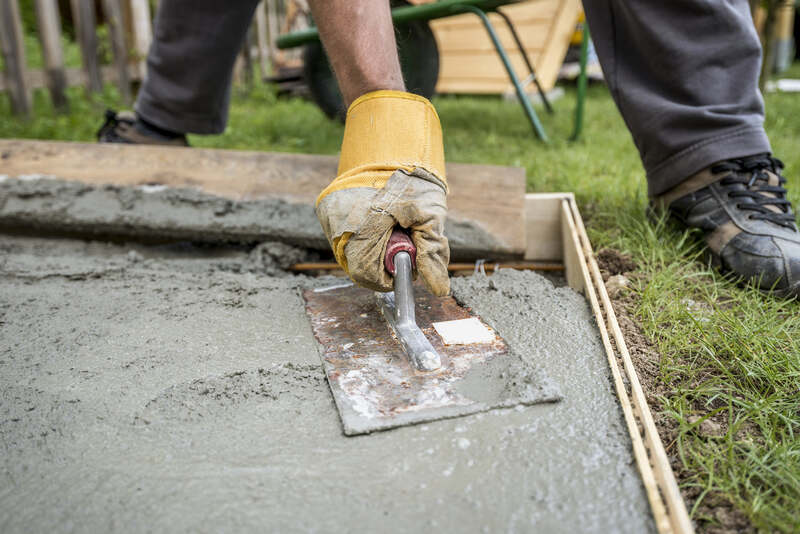
We pour the pad. We don’t do the electrical. But we work alongside electricians regularly enough to know what they need from us.
Most hot tubs run on a dedicated 240-volt, 50-amp circuit with a GFCI disconnect panel mounted within sight of the tub. That wiring has to get from your breaker panel to the tub location somehow. If the conduit is going to run under the pad, we need to know before we pour – not after. We’ll set a PVC sleeve under the slab during the pour so the electrician can pull wire through it later without cutting into the concrete.
Same goes for plumbing if there’s a water supply line or drain running to the pad location. Coordinate with us during the planning phase and we’ll accommodate whatever needs to go underneath. Discovering a pipe run after the concrete is set means sawcutting, and nobody wants that on a brand new pad.
Where you put the thing matters more than most people think about upfront.
Close to the house is convenient – short walk from the back door, easy to run electrical. But too close and you’ve got splash water hitting your siding and humidity from the steam condensing on your windows. Three to five feet of clearance from exterior walls is a good minimum.
Privacy is the other factor. Nobody wants to soak in full view of three neighbors. Fences help. So does strategic placement behind a garage or next to a tall hedge. We don’t do landscaping or fencing, but we can pour the pad wherever on your lot makes the most sense for both structural integrity and personal comfort.
Access for delivery is worth thinking about too. Hot tubs are heavy and awkward. The delivery crew needs a clear path from wherever the truck parks to the pad location. If that path goes through a gate, measure the gate first. We’ve poured pads in backyards where the homeowner later realized the tub couldn’t physically get through the side gate. Plan ahead on that one.
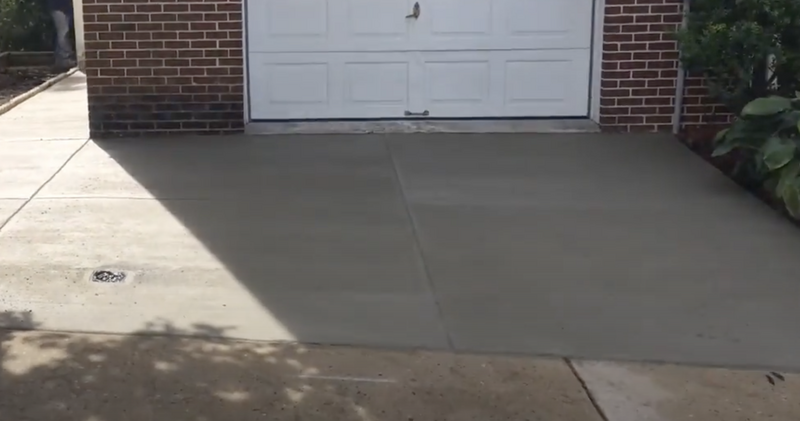
Already have a concrete patio? Maybe you don’t need a separate pad. If your patio is at least 4 inches thick, reinforced, and in good condition, it might support a hot tub just fine. We can check it for you – look at the thickness at an edge or expansion joint, tap it for hollow spots that indicate voids underneath, and assess whether it was poured on a proper base.
If the patio is only 3.5 inches thick or it’s got cracks and settling, putting 6,000 pounds on it is asking for trouble. In that case, we’d either pour a standalone pad adjacent to the patio or tear out the section where the tub is going and pour a thicker reinforced slab in its place. Second option gives you a seamless look since the new pour ties into the existing patio edges.
This is a niche job and not every concrete contractor treats it like one. Some guys will pour a basic 4-inch slab, collect the check, and let you figure out the rest. Six months later the pad is cracking because they didn’t account for the load or the soil conditions.
Our approach takes the guesswork out. We ask what tub model you’re getting, calculate the loaded weight, spec the pad thickness and reinforcement to match, grade for drainage, and coordinate with your electrician on conduit placement. Short process, usually done in a day, and the pad is ready for the tub within a week.
AJ Concrete Contractor has been handling hot tub pad installations across Clearwater and surrounding areas like Largo, Dunedin, and Palm Harbor for years. Most of our jobs come from hot tub dealers who recommend us, or from homeowners who saw a pad we poured for someone they know. That referral cycle doesn’t happen unless you’re doing good work.
Honestly, there’s not much to it. Rinse the pad off when it gets dirty. Hit it with a pressure washer once or twice a year if algae or mildew starts building up – and it will, because Clearwater’s humidity is relentless and hot tub areas stay damp.
Keep an eye on the edges where the pad meets the surrounding ground. If soil erodes away from the pad edge over time, water can get underneath and start washing out the base material. Fill any gaps with compacted dirt or gravel before they become a problem. Takes five minutes and prevents undermining.
Sealing isn’t strictly necessary on a hot tub pad since nobody’s looking at it under the tub. But if the exposed edges or surrounding step area are visible, a basic concrete sealer keeps them from staining and looking worn. One coat, reapply every couple years. Low effort, minor cost.
Getting a hot tub delivered soon? Already have one sitting on a surface that can’t handle it? AJ Concrete Contractor pours reinforced hot tub pads across Clearwater sized, graded, and built for the weight. One day to pour, one week to cure, and your tub has a base that won’t crack or settle. Call for a free estimate.